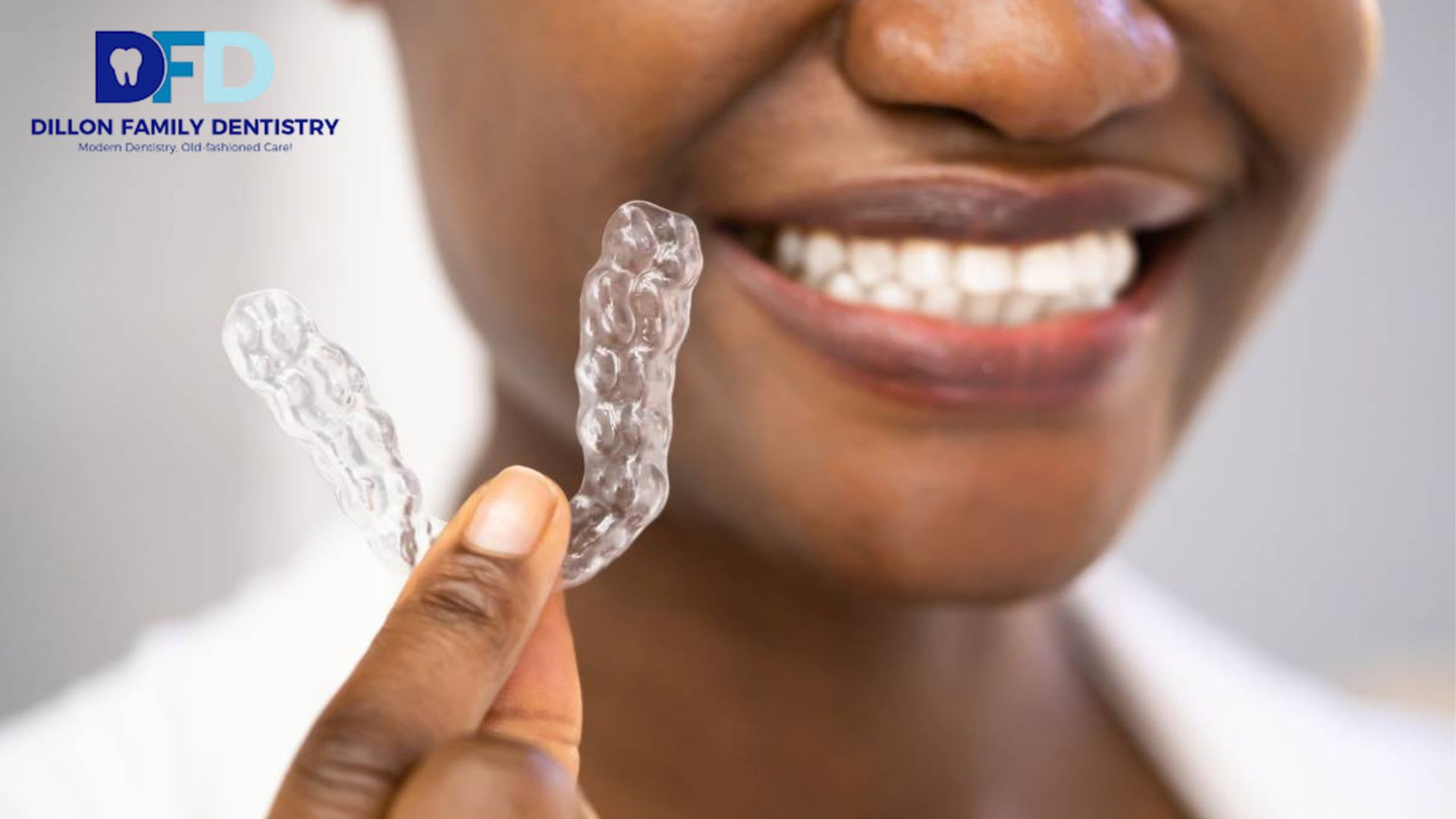
You are currently viewing Top 7 Mistakes First-Time Invisalign Users Make
Invisalign treatment main line

Top 7 Mistakes First-Time Invisalign Users Make

You’re getting started on an exciting adventure with Invisalign, picturing your straighter smile waiting at the end of your treatment. Some first-time patients, however, experience problems that ultimately slow their treatment and make it harder than necessary. 

At Dillon Family Dentistry, we have had the privilege of helping thousands of patients on the Main Line complete their orthodontic treatment and have noticed repeated mistakes. Fortunately, the mistakes we observe are very easy to rectify once you know what to avoid.

Key Takeaways

  • Wearing your aligners less than 22 hours a day is the #1 reason treatment stalls
  • Skipping retainers after treatment is how most people lose their results
  • Small daily habits  like cleaning your trays and attending checkups  make a bigger difference than most patients expect

Mistake 1: Not Wearing Aligners Long Enough

This is what really matters! Invisalign will only work if you wear your aligners in your mouth the entire time they are being used, and the suggested amount of time (20-22 hours per day) is based on the science of how the aligners work to change your teeth over time. 

Many first-time patients fail to realize that those short breaks from wearing their aligners while eating, having coffee or some other snack, or any other number of hours will add up quickly, ultimately causing the patient to spend less than the minimum amount of time wearing their aligners during the treatment process.

If you live on the Main Line and use Invisalign for your treatment, try taking advantage of this little tip: As soon as you finish eating, pop your aligners back in right away! Also, place an empty case out on your dining room table during each meal to serve as a visual cue to help you remember to replace your aligners.

Mistake 2: Eating and Drinking With Aligners In

As your aligners are made out of a clear, cushioned thermoplastic material, which is not intended to be conditioned by heat, pressure, or staining, drinking hot beverages will warp your aligners. Drinking wine, juice, and other dark-colored liquids will damage your aligners and leave them permanently stained within a couple of days. Eating will create stress on the aligner and create small cracks or distort the fit of your aligner as well.

In other words, you need to drink only water while wearing your aligners. You must remove your aligners before consuming anything other than water.

Mistake 3: Skipping the Cleaning Routine

Cleaning your aligners on a regular basis is important because the buildup of bacteria, plaque, and food particles is constantly accumulating throughout the day. If you do not clean your aligners regularly, you are essentially placing that accumulated debris on your teeth for extended periods of time.

Here’s what a simple cleaning routine looks like:

  • Rinse your aligners every time you remove them
  • Brush them gently with a soft toothbrush (no toothpaste  it’s abrasive)
  • Soak them in Invisalign cleaning crystals or a gentle retainer cleaner once a day
  • Always brush and floss your teeth before reinserting them

This keeps both your trays and your teeth in much better shape throughout treatment.

Mistake 4: Missing Follow-Up Appointments

In many cases, patients believe that the lack of regular visits to their dentist after getting their initial set of aligners means that they can leave their check-up visit to the dentist until it becomes convenient. This misconception can be very expensive to correct.

Your daily progress appointment and consultation for getting your next set of aligners in Bryn Mawr is how your dentist ensures that your teeth are moving properly with each aligner. If there is an issue, such as a tray fitting improperly or teeth not moving as expected, addressing the issue early will save you weeks of backtracking.

These visits should not be viewed as a formality; instead, a course correction.

Mistake 5: Advancing Trays Too Soon

Generally, the temptation to switch to your next set of aligners before your scheduled appointment may be strong if you feel that everything is going well. However, please remember to only move to the next tray of aligners once your dentist determines that the movement of your teeth with the current tray has been fully completed and is within the prescribed amount. 

If you decide to proceed to the next set of aligners too early due to the perception of having good movement with the current tray, you may be causing your teeth to remain “under-moved,” resulting in “compounding error” and may not achieve the final tooth position as anticipated by your original treatment plan. You must always comply with the schedule established by your dentist and, if you still feel any resistance on a tray, that generally means the tray is still working as it should.

Don’t Just Read About It—Discover a Healthier Smile Today!

Take control of your oral health at Dillon Family Dentistry. Book an appointment today!

Mistake 6: Neglecting Post-Invisalign Retainers

More than any other service, this is the one where people are most surprised. After finishing your treatment, your teeth look just like they were supposed to, but then real life takes over, you get inconsistent with your retainer wear, and a few months later, you note that your teeth have started their shift back to where they were prior to treatment.

The reason we have retainers is to prevent orthodontic relapse. Your teeth have a memory and will gradually move back to where they were prior to treatment without consistent retention; in fact, studies show that some amount of relapse will begin to occur within weeks of completing treatment when no retention is used.

For post-Invisalign care to be effective, patients should wear retainers every night for the rest of their lives. It’s a small investment in time, but it protects the large investment you made with your smile.

Mistake 7: Storing Aligners Carelessly

Your aligners may have been lost or damaged because they were left on a napkin, rolled up into a bag with no case, or maybe you leave them on the bathroom counter to get lost forever. If you have to replace your aligner, it will take some time for the new one to be sent to you, and this could delay your schedule for quite a while. 

So always put your aligners in your case, without exception! It only takes a couple of seconds and can help to ensure that your orthodontic treatment is completed as quickly as possible. 

Why Patients Choose Dillon Family Dentistry for Invisalign

At Dillon Family Dentistry, our team walks you through all stages of your Invisalign treatment in Bryn Mawr, beginning with your initial consultation to the final retention phase. This allows you to know what to expect and what will happen next at every step of treatment.

We provide service to patients along the Main Line of Pennsylvania (PA), including Bryn Mawr, and our personalized attention can make an impact on the outcome of every case. So, whether you’re exploring your options for treatment or ready to set up your consultation for an appointment, we can assist you.

Frequently Asked Questions

1. Do I need to wear retainers forever after Invisalign treatment?

To prevent their teeth from continuing to shift, the majority of patients need to use a retainer after the end of their Invisalign treatment in Bryn Mawr. Dillon Family Dentistry recommends that you wear your retainer at night after your braces have been removed as part of an effective method of helping you prevent orthodontic relapse and maintain your beautiful smile long-term.

2. How many hours a day should I wear my Invisalign retainer after treatment?

Once you finish your Invisalign treatment in Main Line, you will typically wear retainers for 20 – 22 hours per day for several months before transitioning to night-time only wear. Your dentist will provide you with specific instructions for your specific case and associated after-care needs.

3. Can teeth shift back if I stop wearing my retainer after Invisalign?

When retainers aren’t worn regularly, teeth can slowly shift back to their original position. This is one of the primary challenges during the post-Invisalign treatment. Retainers are crucial for avoiding relapse and maintaining your final orthodontic result after completing the brace/align stage of your treatment.

4. What type of retainer is best after Invisalign treatment?

There are different types of retainers available to meet the needs and goals of each patient. In general, many patients prefer to wear clear retainers like Invisalign due to the fact that they are subtle and easy to wear compared to other types of retainers. For those who need additional support, permanent retainers are often an option.

5. How long does Invisalign treatment take in Bryn Mawr, PA?

Most Invisalign treatment in Bryn Mawr cases takes about 6 to 18 months, depending on alignment complexity. During your Invisalign consultation in Bryn Mawr, our team at Dillon Family Dentistry will provide a personalized treatment timeline.

6. What happens during an Invisalign consultation in Bryn Mawr?

During your Invisalign consultation in Bryn Mawr, we evaluate your teeth, bite, and smile goals, take digital scans, and discuss treatment duration and cost. This visit helps determine whether Invisalign Main Line PA is the right solution for you.

7. How do I clean my Invisalign retainer properly?

Clean your retainer daily with lukewarm water, a soft toothbrush, and gentle, clear soap. Avoid hot water, as it can warp the tray. Proper cleaning is an important part of post-Invisalign care and helps keep retainers clear and odor-free.

8. How often should Invisalign retainers be replaced?

Most retainers should be replaced every 6 to 12 months, depending on wear and tear. If your Invisalign retainers for Bryn Mawr patients become loose, cracked, or cloudy, it may be time for a replacement.

9. Can I get Invisalign again if my teeth shifted after braces or old treatment?

Yes, many patients return for Invisalign treatment in Main Line after teeth shift following braces or older aligner treatment. A new plan can help realign your smile and improve orthodontic relapse prevention going forward.

10. Are permanent retainers better than removable retainers after Invisalign?

Both options have benefits. Permanent retainers offer continuous support, while removable trays are easier to clean. During your visit to Dillon Family Dentistry, we help choose the best option for your retainers after braces or aligner treatment needs.

Invisalign is one of the most effective, flexible orthodontic options available  but it works best when patients are consistent, informed, and supported by a team they trust. Avoiding these common mistakes won’t just protect your investment; it’ll get you to your best smile faster and keep it there longer.

If you’re ready to start your Invisalign consultation in Bryn Mawr or want to learn more about Invisalign Main Line PA, reach out to Dillon Family Dentistry today. Your smile is worth doing right.

Experience Exceptional Care at Dillon Family Dentistry!

Transform your dental care with personalized solutions for all dental needs—from cleanings to cosmetic treatments.

David Dillon

Dr. David M. Dillon, DMD Dr. David M. Dillon is a dedicated dentist with a passion for delivering compassionate care and staying at the forefront of modern dental advancements. A third-generation dentist, Dr. Dillon combines his family’s legacy of patient-centered care with cutting-edge techniques in restorative and cosmetic dentistry, including dental implants, veneers, Invisalign and more. He believes that informed patients make the best decisions for their health, so he takes extra time to educate each individual about their options, ensuring they feel confident and empowered throughout their dental journey. Dr. Dillon is committed to lifelong learning and regularly participates in continuing education to enhance his skills and provide the highest standard of care. Outside of the office, he serves as president of the Rotary Club of Ardmore and is very active in local and international community service; he’s also engaged in coaching local youth sports teams. With a warm, welcoming approach and genuine care for his patients, Dr. Dillon strives to create a relaxed, comfortable environment where every visit is a positive experience.