Root Canal Treatment in Bryn Mawr, PA
A root canal treatment in Bryn Mawr, PA, removes infected or inflamed pulp from inside a tooth, then cleans, seals, and restores it so you keep your natural tooth instead of losing it. At Dillon Family Dentistry, Dr. David Dillon performs most root canals in a single, comfortable visit and offers same-day emergency appointments for severe tooth pain. Call 610-510-8197 to be seen quickly.
If you’re searching for root canal treatment in Bryn Mawr, odds are you’re dealing with a tooth that’s been bothering you, maybe a dull ache that won’t quit, a sharp jolt when you bite down, or sensitivity that lingers long after the coffee’s gone cold. I’m Dr. David Dillon, and I’ve spent my career here on the Main Line helping neighbors get out of pain and, just as importantly, keep their natural teeth. A root canal sounds scary because of its reputation, not its reality. Let me walk you through exactly what it is, why it might be the best thing you can do for your smile, and how we make it genuinely comfortable right here in Bryn Mawr.
Our practice sits at 1084 East Lancaster Ave., a short drive from Villanova, Ardmore, Haverford, Wayne, and Narberth. We’ve cared for Main Line families for three generations, and saving teeth is one of the most rewarding things we do.
What Is a Root Canal? A Bryn Mawr Dentist Explains
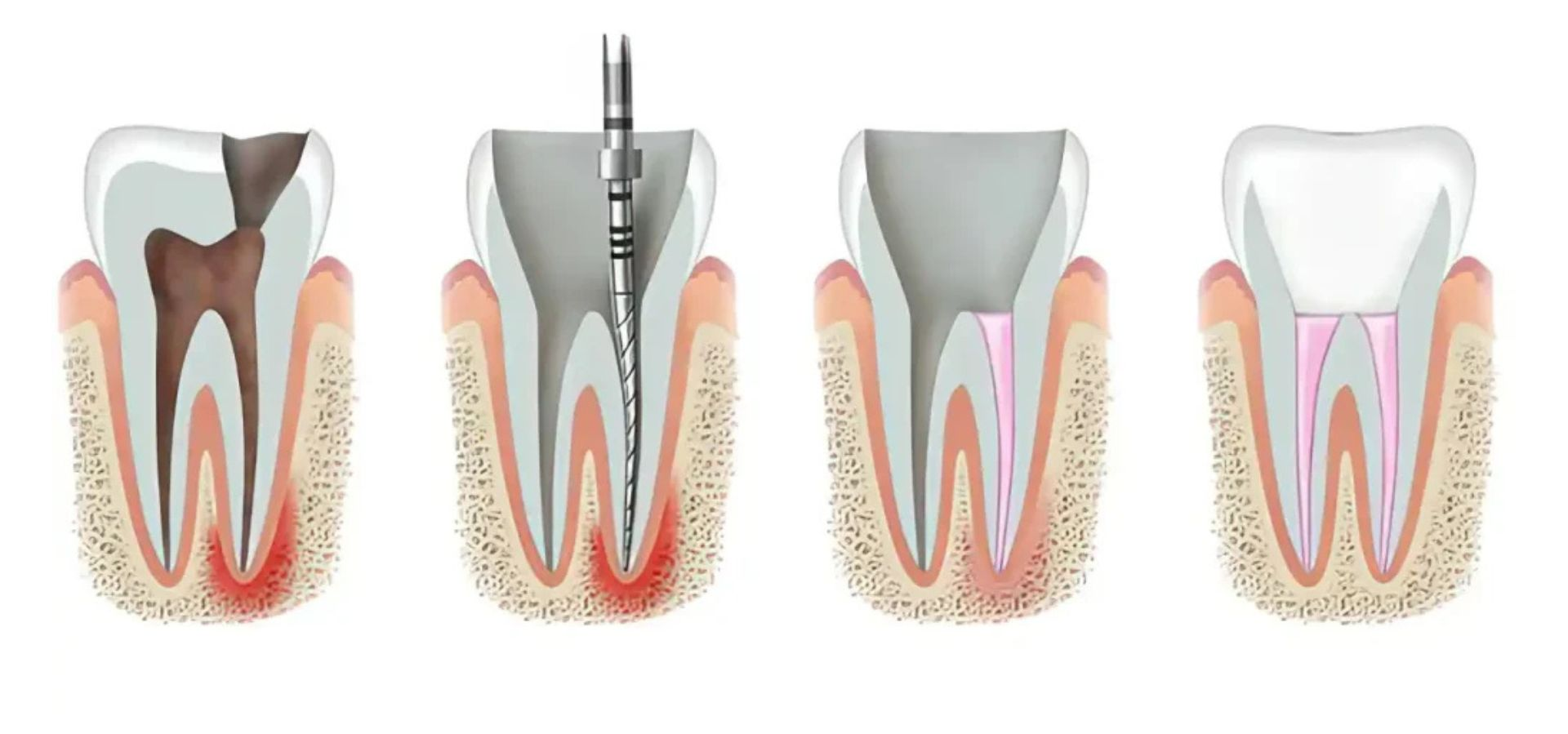
Each tooth has a pulp, which is the inside of the tooth and includes the nerves and blood vessels that run from the top of the tooth through its roots. If the pulp becomes infected (for example, due to a deep cavity, fracture, or dental work), then the pulp is inflamed (a dentist will call this pulpitis), which is when you will experience pain. The root canal procedure (also known as endodontics) treats this by removing the infected pulp, sterilizing the inner canals, and sealing them. The tooth can then be restored to complete its function with a filling or, more often, with a crown.
So many people think that the purpose of root canals is to remove the tooth when, in fact, it is to preserve the tooth. Once the infected pulp is removed, there is no more pain, and therefore, you can keep your natural tooth that was made to function.
The American Association of Endodontists is an advocacy group of root canals because of their predictability, and they realize that nothing can replace a natural tooth.
Signs You May Need a Root Canal
Teeth are good at warning us before things get serious. If you notice any of these, it’s worth a call:
- Lingering tooth pain, a deep ache or throbbing that doesn’t settle, or pain that wakes you at night.
- Sensitivity to hot and cold that lingers well after the food or drink is gone.
- Pain when biting or chewing, or when you touch a specific tooth.
- Swollen, tender gums near the tooth, or a small “pimple” or boil on the gum that may ooze.
- A darkening tooth, which can signal that the pulp inside has died.
- A cracked or broken tooth that has exposed the inside to bacteria.
Sometimes there are no symptoms at all an infection shows up only on an X-ray during a routine visit. That’s one more reason not to skip checkups. And to be honest, not every ache means a root canal; the only way to know is a proper exam.
When Tooth Pain Becomes a Dental Emergency
A toothache that causes facial swelling, intense pain, or constant fever is a sign of these conditions being caused by an ongoing or spreading infection and therefore constitutes a dental emergency. Do not ignore a toothache. We have same-day appointments available to address your urgent need, and getting treated quicker usually results in easier treatment and faster healing. Contact the Bryn Mawr office or call us right away if you are in pain.
Benefits of Saving Your Tooth With a Root Canal
When people weigh a root canal against “just pulling it,” the natural tooth almost always wins. Here’s why:
- It ends the pain at the source by removing the infected nerve tissue.
- You keep your own tooth, which chews, bites, and feels better than any replacement.
- It protects your other teeth from shifting into a gap and your jawbone from the bone loss that follows an extraction.
- It’s cost-effective over time, saving the tooth now often avoids the higher cost of an implant or bridge later.
- Results: A well-restored root-canal tooth can serve you for decades, often a lifetime.
Our Root Canal Process, Step by Step
Modern endodontics has come a long way. As I tell my patients, we now do most root canals in a single, comfortable visit. Here’s exactly what to expect:
- Diagnosis. We take a digital X-ray and test the tooth so we’re certain a root canal is the right call and that we’re treating the correct tooth.
- Numbing. We thoroughly numb the area so you’re comfortable from start to finish. If you’re anxious, we’ll talk through calming options before we begin.
- Protecting the tooth. A small dental dam keeps the area clean and dry, which improves the result.
- Removing the infection. Through a tiny opening, we gently remove the damaged pulp and clean the inner canals.
- Disinfecting & shaping. We irrigate and shape the canals to clear bacteria all the way to the root tip.
- Sealing. The canals are filled with a biocompatible material called gutta-percha and sealed to keep bacteria out.
- Restoring. We close the tooth with a filling and, in most cases, place a crown to protect it long-term so it’s strong enough for everyday chewing.
Start to finish, treatment usually takes about 60 to 90 minutes. Many patients tell me afterward that the hardest part was the worrying beforehand.
Comfort-First Technology & Techniques We Use
I feel strongly about ongoing education, so our office uses the latest materials, equipment & techniques available today to make your root canal more comfortable and successful than ever; including digital x-rays for precise low radiation diagnosis, rotary instruments for efficient cleaning of your root canals, and extensive irrigation & disinfection to provide your tooth with the best long-term prognosis.
In addition to all of this technology, we provide a gentle approach to dental care. You will receive “pain-free” treatment, and we will take as much time as necessary to do a great job for you. As a 3rd generation dentist on the Main Line, I learned from my father that it is just as important for a patient to feel comfortable in a dentist’s chair as it is for him/her to have a good experience with the dentistry itself.
Root Canal vs. Tooth Extraction: Which Is Right for You?
This is one of the most common questions I get, so let’s compare them honestly:
|
| Root Canal (save the tooth) | Extraction (remove the tooth) |
| Keeps your natural tooth | Yes | No |
| Pain relief | Yes, removes the infected nerve | Yes, but removes the tooth |
| Follow-up needed | Usually a crown | Implant or bridge to fill the gap |
| Bone preservation | Preserves jawbone | Bone loss can follow |
| Long-term cost | Often lower overall | Replacement costs add up |
For most teeth that can be saved, a root canal is the more conservative choice, and conservative, least-invasive care is exactly how we practice. When a tooth truly can’t be saved, we’ll tell you straight and walk you through replacing it with a dental implant or bridge. If you’re curious how that compares, our blog on how painful a tooth extraction is is a helpful read.
Recovery & Aftercare Tips
Recovery from a root canal is usually quick; most people are back to normal within a day or two. A few simple things help:
- Expect mild tenderness for a few days; over-the-counter pain relief is usually plenty.
- Eat soft foods at first and avoid chewing directly on the treated tooth until your permanent crown is placed.
- Keep brushing and flossing. Normal oral hygiene protects your investment.
- Avoid smoking, which slows healing.
- Call us if pain worsens after a few days or doesn’t improve; that’s not typical, and we’d want to check.
Root Canal Cost & Dental Financing in Bryn Mawr
It really depends on what tooth you have to have treated and if you require a crown. What I can say is that we will not surprise you. You receive a detailed written estimate prior to treatment. Most dental plans are accepted by us, and we file the paperwork for you. Flexible payment options also allow you to save for your tooth without worrying about how much you can afford. We firmly believe in working with low-budget patients to help them stay within their means.
Why Main Line Patients Choose Dillon Family Dentistry
Patients have a lot of choices for dental care. Here’s what sets us apart:
- A third-generation Main Line practice, the Dillons have cared for Bryn Mawr families since 1955.
- Gentle, painless dentistry is our specialty, not an afterthought. We genuinely welcome nervous patients.
- Old-fashioned care, high-tech tools, we never stack up appointments and keep you waiting.
- In conservative philosophy, we aim to save healthy tooth structure whenever we can.
- One office for the whole family, from kids to grandparents, you’re treated like one of our own.
You can meet Dr. Dillon and read what our patients say before you ever pick up the phone.
Serving Bryn Mawr & the Surrounding Main Line
Bryn Mawr, PA’s dental office is accessible by traveling various distances to/from your location anywhere throughout the suburbs. We frequently provide root canal therapy to the communities of Ardmore, Haverford, Narberth, Radnor, Rosemont & Gladwyne. Located at 1084 East Lancaster Avenue between Lancaster Avenue & the Blue Route (I-476), this location has an abundance of available parking (including free) and is also close to other transit options. When your tooth hurts, and you’re on or near the Main Line, our practice provides timely and gentle root canal treatment.
FAQs
1. Is a root canal painful?
This is a huge undertaking. If done correctly, you can expect to have as little discomfort from your root canal as from having a filling placed. We provide ample local anesthesia prior to beginning your root canal. Once the initial anesthetic has taken effect, you shouldn’t experience any pain throughout the procedure. In fact, because we have removed the source of your pain (the infected pulp of your tooth), you may experience a sense of relief after we have completed the procedure.
2. How long does a root canal take?
Most root canals take about 60 to 90 minutes, and we complete the majority of them in a single visit. More complex teeth, like molars with several canals, may occasionally need a second appointment.
3. How much does a root canal cost in Bryn Mawr, PA?
It depends on which tooth is treated and whether a crown is needed. We always provide a clear written estimate up front, file with your insurance, and offer financing. Call 610-510-8197 for a personalized quote.
4. Can I get a same-day or emergency root canal near me?
Yes. We reserve same-day slots for dental emergencies. If you have severe tooth pain, swelling, or a knocked-out infection, call us right away at 610-510-8197, and we’ll do everything we can to see you quickly.
5. What are the signs I need a root canal?
Tooth decay can result in several struggles that a person will endure. These include: toothache, sensitivity to temperature (hot and/or cold), pain when chewing, swelling/tenderness in the gum area, an abscess (think pimple) above the gum line, or discoloration of the teeth. It is possible for one to not have any of these symptoms yet have tooth decay, which can be detected through an X-ray; this is why periodic checkups are so important.
6. Is it better to get a root canal or pull the tooth?
Whenever a tooth can be saved, a root canal is usually the better choice. Keeping your natural tooth preserves your bite and jawbone and avoids the cost of replacing it. We’ll only recommend extraction when a tooth truly can’t be saved.
7. How long does it take to recover from a root canal?
Typically, patients are back to their usual routine one to two days post-op. Mild tenderness may persist for a few days after surgery; however, you can generally manage this with over-the-counter pain medications. Pain that continues past this point or is increasing is not normal; please contact our office.
8. Do I need a crown after a root canal?
Often, yes, especially for back teeth that do heavy chewing. A crown protects the treated tooth from cracking and helps it last for years. We’ll let you know what your specific tooth needs.
9. Will my tooth be safe after a root canal?
Yes. Once we remove the infected pulp, clean and seal the canals, and restore the tooth, it’s no longer a source of infection. With good oral hygiene and a protective crown, a root-canal tooth can last a lifetime.
10. Can a cracked tooth be saved with a root canal?
Often, yes. If a crack has reached the pulp but the tooth is otherwise structurally sound, a root canal followed by a crown can save it. We’ll examine the crack carefully and give you an honest recommendation.
11. What happens if I ignore a tooth that needs a root canal?
The infection won’t go away on its own; it tends to spread, which can lead to an abscess, bone loss, and eventually loss of the tooth. Treating it early is almost always simpler and less expensive.
12. Is sedation available if I'm anxious about the procedure?
Absolutely. We love helping nervous patients. We’ll discuss comfort and relaxation options before we begin, so you feel at ease. Many patients who dreaded the appointment are surprised by how calm it was.
13. Can I drive myself home after a root canal?
If you’ve only had local numbing, yes, you can drive yourself home and usually return to your day. If you choose a sedation option, you’ll want someone to drive you. We’ll let you know what applies to your visit.
14. Do you treat children who need root canal therapy?
We’re a family practice and care for patients of all ages. Children’s teeth sometimes need pulp treatment, and we make the experience as gentle and reassuring as possible for younger patients and their parents.
15. How do I book a root canal consultation in Bryn Mawr?
Just call our office at 610-510-8197 or request an appointment through our contact page. We serve Bryn Mawr, Villanova, Ardmore, Wayne, Narberth, and the wider Main Line, Monday through Friday, 8 am to 5 pm.
If you have additional questions or want to learn more about our family dental services in Bryn Mawr, feel free to contact Dillon Family Dentistry. We’re here to ensure your family’s smiles stay healthy and bright!
Schedule Your Root Canal Consultation in Bryn Mawr
A painful tooth doesn’t have to mean losing it. With a gentle, often single-visit root canal, we can clear the infection, end the pain, and keep your natural smile intact. If you’re anywhere on the Main Line, Bryn Mawr, Villanova, Ardmore, Wayne, Narberth, or nearby, we’d be glad to take a look and give you a straight answer. Three generations of families have trusted us with their smiles, and we’d love to add yours.