Sleep apnea often goes unnoticed, with signs like loud snoring, daytime fatigue, and morning headaches. As noted by Dr. Devid M. Dillon, disrupted breathing during sleep prevents proper rest, leading to low energy and poor focus. Early diagnosis and treatment can significantly improve sleep and overall health.
It starts off rather slowly. You wake up feeling worn out, even though you went to bed at a decent time. Your significant other reminds you about your snores again. By 10 a.m., you’re relying on a second cup of coffee to get through the morning. You attribute it to stress, age, or simply the fast pace of life.
But perhaps your body is trying to tell you something more specific?
It’s easy to overlook the signs of sleep apnea because many of its symptoms mimic everyday issues. Fatigue gets blamed on a busy schedule. Snoring is brushed off or joked about. Morning headaches are written off as dehydration. Meanwhile, an undiagnosed sleep disorder may be repeatedly disrupting your breathing night after night – often for years without you realizing it.
At Dillon Family Dentistry, we work with patients all over Bryn Mawr and the Main Line to help them recognize the symptoms of sleep apnea; additionally, we also provide education regarding possible treatment options. The first step is understanding what to look out for.
Key Takeaways
- Sleep apnea often goes undiagnosed because its symptoms resemble everyday tiredness
- Loud, chronic snoring is one of the most recognizable early signs
- Daytime fatigue, morning headaches, and difficulty concentrating are commonly reported
- A dentist can be a valuable first point of contact for sleep apnea evaluation and treatment
- Oral appliance therapy is an effective, comfortable alternative to CPAP for many patients
Why Sleep Apnea Is So Easy to Miss
Obstructive sleep apnea (OSA) is the most frequently diagnosed form of sleep apnea. OSA occurs when the airway becomes partially or completely blocked during sleep. During sleep, the muscles and soft tissues at the back of our throat relax excessively, narrowing or collapsing the airway and stopping our ability to breathe adequately. The decrease in oxygen received by the brain causes it to send out signals to the body to momentarily awaken from sleep in order to restart breathing. This cycle can happen between five and thirty times an hour, and in many cases, more or less.
The vast majority of individuals who experience these breathing interruptions during the night have absolutely no recollection of them. They do not recognize that they have stopped breathing, only that they have awakened in the morning feeling less rested and energized.
The American Academy of Sleep Medicine provides an estimate of approximately thirty million individuals who are affected by obstructive sleep apnea, with only six million being diagnosed. The vast majority of individuals suffering from this condition are doing so unknowingly and without receiving treatment for it.
The Symptoms That Show Up First
what sleep apnea actually feels like from a patient’s perspective, not just a clinical chart, makes it far easier to connect the dots.
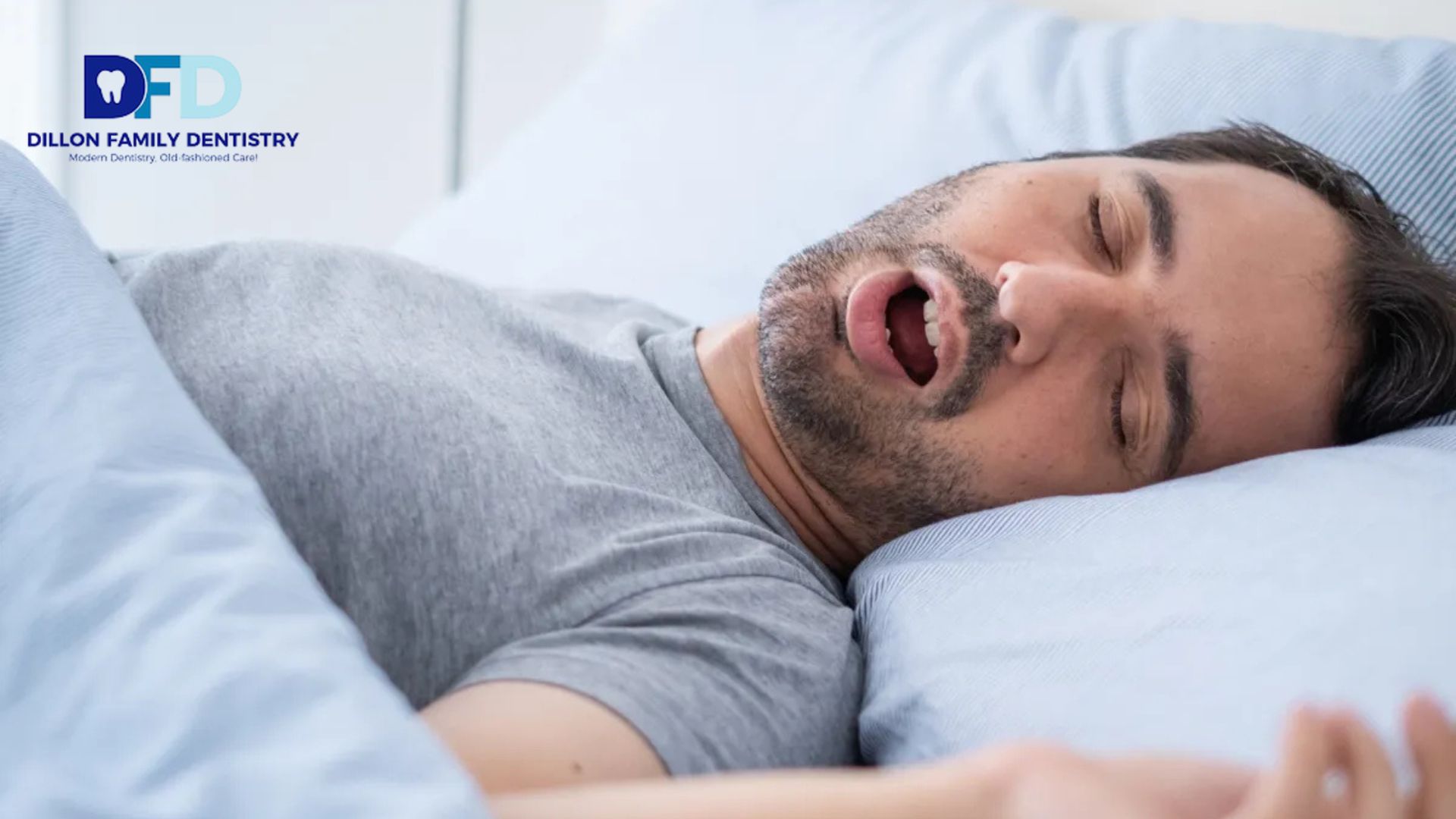
Loud, persistent snoring is usually the first thing someone else notices. Not the occasional snore during allergy season, but a consistent, disruptive sound that keeps a partner sleeping in another room. The snoring associated with sleep apnea tends to be loud, irregular, and sometimes interrupted by moments of silence, those silences being the moments when breathing has stopped.
Waking up gasping or choking is a more startling symptom, but many patients don’t recognize it for what it is. They describe suddenly jolting awake, heart pounding, and feeling slightly short of breath. It passes quickly, so they assume they had a bad dream and fall back asleep. But this is the airway reopening after an apnea event.
Morning headaches are another hallmark sign. When oxygen levels drop repeatedly throughout the night, blood vessels in the brain dilate in response, often causing a dull, pressure-like headache that’s usually worse right after waking and tends to ease within an hour or two.
Daytime fatigue and brain fog are what patients tend to notice most because they’re impossible to ignore. No matter how many hours are spent in bed, sleep is never restorative. The brain never reaches the deeper stages of sleep it needs because it keeps getting pulled out by apnea events. Patients describe difficulty concentrating, forgetfulness, sluggish thinking, and a kind of exhaustion that coffee doesn’t fix.
Common sleep disorder signs that patients often report include:
- Waking with a dry or sore throat most mornings
- Needing to urinate frequently during the night
- Restless sleep or frequently changing positions
- Irritability or mood changes that feel out of proportion
- Reduced motivation or mild depression without a clear cause
One patient from Ardmore visited our Main Line office for a routine cleaning, not for any sleep-related concerns. During the conversation, she mentioned she’d been waking with headaches almost every day for over a year and felt exhausted constantly. After a sleep study confirmed obstructive sleep apnea, she started treatment and told us several weeks later that she felt like herself again for the first time in years.
Who Is Most at Risk, and Why It’s Not Just Older Men
Sleep apnea is typically thought to be an adult health issue that only impacts males over the age of 40 and/or who are overweight, but this is far from true. Evidence shows that women, particularly after menopause, are at significant risk, but their symptoms are often underreported. Instead of the classic signs like loud snoring, they may experience insomnia, persistent fatigue, or changes in mood.
Other risk factors for developing sleep apnea exist, such as anatomical differences (naturally smaller airways, recessed mandibles, larger tongues) or family histories of sleep apnea, regardless of gender, body makeup, or age. In addition, habits associated with the use of alcohol and tobacco will relax muscles in the throat, making collapse of the airway more likely as you sleep.
How a Dentist Fits Into Sleep Apnea Care
The role of dentists in identifying and treating sleep apnea has been unexpected for many individuals. Sleeping problems such as obstructive sleep apnea may be attributed to structural issues with the jaw, airway, or oral structure; hence, dentists are often able to recognize indicators of sleeping problems (e.g., worn teeth due to teeth grinding, scalloped edges on the tongue, narrow palate) and provide a successful resolution.
At Dillon Family Dentistry, we treat many patients with dental sleep appliance therapy near Bryn Mawr and the Main Line. A custom oral appliance fits comfortably in the mouth and gently repositions the lower jaw to help keep the airway open during sleep. It offers an effective alternative to CPAP machines, which some patients find noisy or uncomfortable, particularly for those with mild to moderate obstructive sleep apnea, or for those who have struggled to tolerate CPAP therapy.
We collaborate with physicians and sleep specialists to develop comprehensive solutions that will improve our patients’ quality of life by doing more than addressing their sleeping problems alone.
FAQs
1. What are the most common symptoms of sleep apnea?
Common sleep apnea symptoms include loud snoring, gasping for air during sleep, morning headaches, and difficulty concentrating. Many people also experience daytime fatigue and irritability. Recognizing these sleep disorder signs early can help you seek proper evaluation and improve your overall health.
2. Is loud snoring always a sign of sleep apnea?
Not always, but loud snoring can be linked to sleep apnea, especially when combined with choking sounds or pauses in breathing. Occasional snoring may be harmless, but persistent, disruptive snoring could indicate a more serious underlying sleep disorder.
3. Why do I feel tired even after a full night’s sleep?
Feeling exhausted despite adequate sleep is often tied to untreated sleep apnea symptoms. Interrupted breathing affects sleep quality, leading to daytime fatigue. Seeking sleep apnea treatment in Bryn Mawr can help restore restful sleep and improve your energy levels.
4. What are the early warning signs of a sleep disorder?
Early sleep disorder signs include difficulty staying asleep, loud snoring, waking up frequently, and feeling unrefreshed in the morning. Mood changes and trouble focusing during the day may also indicate an underlying issue like sleep apnea.
5. Can sleep apnea cause daytime fatigue and low energy?
Daytime fatigue is common when individuals have sleep apnea due to their bodies being constantly disturbed throughout the night. A lack of oxygen causes disruption in the deep stages of sleep, which can leave the person feeling exhausted and affect their productivity, mood, and quality of life.
6. How is sleep apnea diagnosed and tested?
Diagnosis typically involves a sleep study, either at home or in a lab, to monitor breathing patterns, oxygen levels, and sleep stages. Identifying sleep apnea symptoms accurately allows your provider to recommend the most effective sleep apnea treatment in Bryn Mawr.
7. What treatment options are available for sleep apnea?
Treatment depends on severity and often includes lifestyle changes like better sleep habits, weight management, and reducing alcohol. CPAP therapy is a common solution to keep airways open, while custom dental sleep devices offer a comfortable alternative for some patients. In many cases, a combination of treatments provides the best results.
8. Can a dental appliance help with sleep apnea symptoms?
Yes, a custom dental sleep appliance that Main Line patients use can reposition the jaw to keep the airway open. This option is comfortable, portable, and effective for mild to moderate cases, helping reduce sleep apnea symptoms and improve sleep quality.
9. What happens if sleep apnea is left untreated?
Untreated sleep apnea can lead to serious health risks, including high blood pressure, heart disease, and chronic fatigue. Ignoring sleep disorder signs may also impact memory, mood, and daily performance, making early treatment essential.
10. When should I see a doctor for snoring or sleep issues?
You should consult a professional if loud snoring causes sleep disruptions or if you experience choking, gasping, or daytime fatigue. Early evaluation ensures proper diagnosis and helps you access effective sleep apnea treatment in Bryn Mawr before complications develop.
The Symptoms Were There; They Just Needed the Right Explanation
Sleep apnea doesn’t always present itself clearly. Its signs can hide behind everyday issues like fatigue, irritability, headaches, or even mild snoring. But even when it goes unnoticed, the impact on your well-being and overall quality of life can be significant, and shouldn’t be overlooked.
If any of this resonates with you, it’s worth taking your symptoms seriously. A simple conversation with your dentist or physician can be the first step toward feeling better each day, and it’s often easier to begin than most people expect.
At Dillon Family Dentistry, we help all our patients across Bryn Mawr and the Main Line identify their symptoms, learn about possibilities, and receive the treatment and care they require when necessary. Contact our office today to schedule an appointment because good quality sleep and good quality health could be much closer together than you believe!