
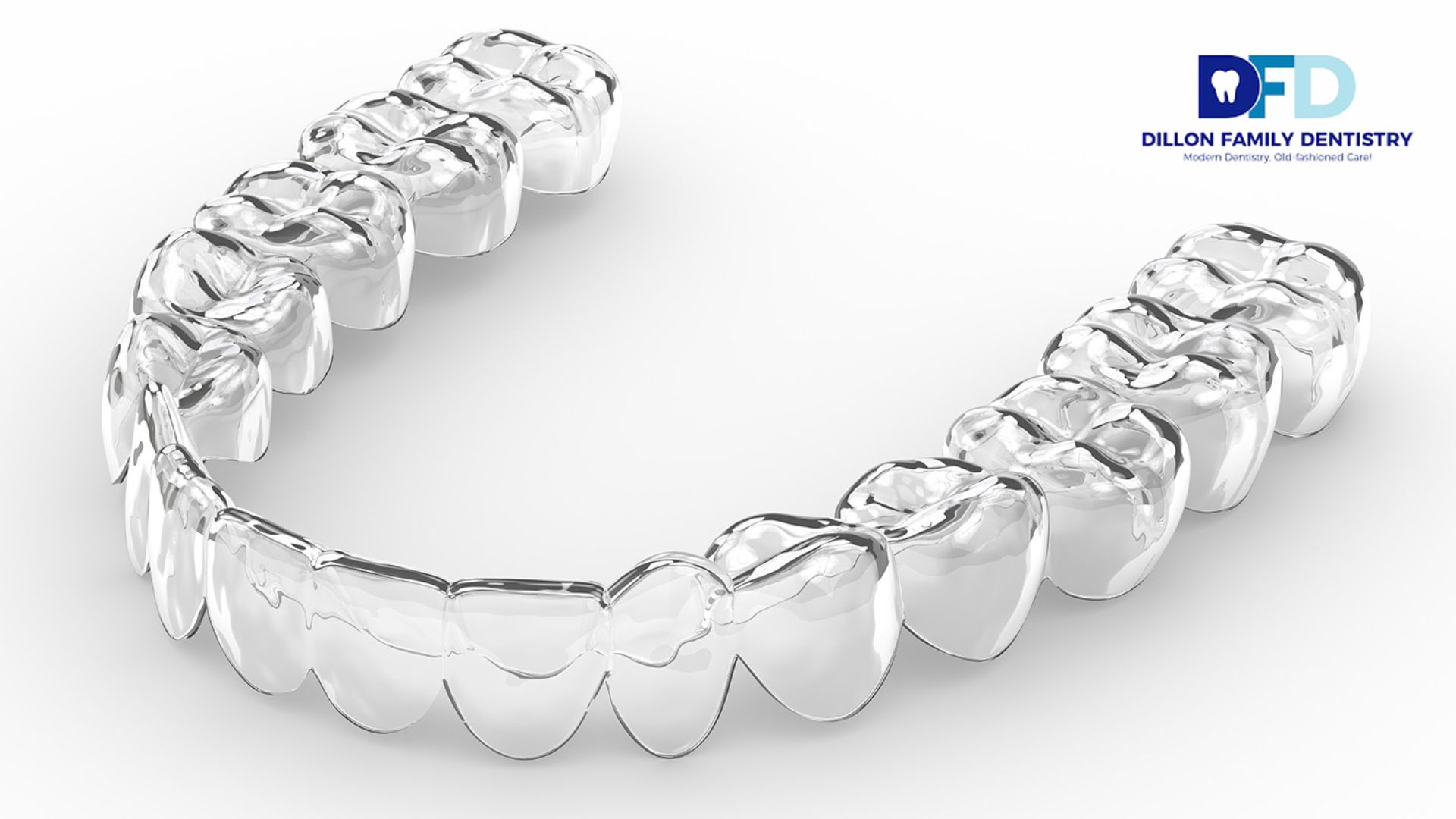
You’ve successfully finished your Invisalign treatment and finished with a beautiful smile, and now you are using your retainer to keep your smile where it belongs; however, as you are aware, most patients who go through Invisalign treatment in the Bryn Mawr and Main Line areas have one primary question after completing their treatment: how often do you need to replace your Invisalign retainer? This is a very important question, as a retainer that is too old or is not fitting properly has the potential to require months’ worth of orthodontic treatment.
At Dillon Family Dentistry, we help patients protect their results with smart, practical guidance as part of our Invisalign orthodontics Main Line care. Here’s what you need to know.
Why Retainer Replacement Matters More Than You Think
Although they can withstand extreme use, your Invisalign retainer will eventually break down. In the long run, daily wear and tear, bruxism during the night, and even cleaning methods will all result in degradation of the material used to produce your retainer. If your retainer becomes warped or improperly fitted, your teeth can gradually shift into a new position with little or no discomfort or visible changes.
That’s why timely Invisalign retainer replacement is key to maintaining a straight, healthy smile.
How Long Is the Typical Retainer Lifespan?
For most patients, the average retainer lifespan is 1 to 3 years. However, this varies depending on:
- How often do you wear it
- Your bite and grinding habits
- Cleaning routine and storage
- Overall Invisalign hygiene
Patients who wear their retainers nightly and clean them gently tend to get the most life out of them.
Signs It’s Time for Replacement Retainers
You may need replacement retainers if you notice:
- Cracks or warping
- Cloudy or rough surfaces that don’t clean well
- A loose fit or slipping during sleep
- Increased Invisalign discomfort or pressure
If putting your retainer back in causes noticeable aligner pain, that’s often a sign your teeth have started to move—or the retainer has lost its shape.
Invisalign Orthodontics Main Line: How We Help Patients Stay on Track
As a part of post-treatment care, we evaluate the fit of your retainer during regular visits. Your retainer can be assessed quickly to determine if it is providing adequate support or if it needs to be replaced.
For Main Line patients, this proactive approach often prevents:
- Tooth shifting
- Additional aligner treatment
- Unexpected orthodontic costs
How Cleaning Habits Affect Retainer Longevity
Good Invisalign hygiene can significantly extend retainer life. Some simple retainer cleaning tips we recommend include:
- Rinse with lukewarm water every time you remove it
- Brush gently with a soft toothbrush and mild soap
- Avoid hot water and harsh cleaners
- Store it in its case—not a napkin or pocket
Improper cleaning is one of the most common reasons retainers wear out early.
Why Main Line Patients Trust Dillon Family Dentistry
Our team at Dillon Family Dentistry has helped countless Bryn Mawr and Main Line patients maintain their Invisalign results long after treatment ends. We focus on comfort, clarity, and long-term success—not upselling or unnecessary visits.
Patients appreciate knowing exactly when replacement is needed and why—and having a local team they can rely on.
Keep Your Invisalign Results for the Long Run
If your retainer feels uncomfortable, looks worn, or hasn’t been checked in a while, don’t wait. A quick visit can save you from future shifting and additional treatment.
Frequently Asked Questions
It’s not recommended. Cracks weaken the structure and reduce effectiveness, even if the retainer still “feels” okay.
Contact your dentist right away. Replacing it quickly reduces the risk of tooth movement.
Mild pressure at first is normal. Ongoing pain or soreness is not and should be checked.
Usually, yes, to maintain proper bite alignment but your dentist will guide you based on your case.
Most Invisalign retainers las