
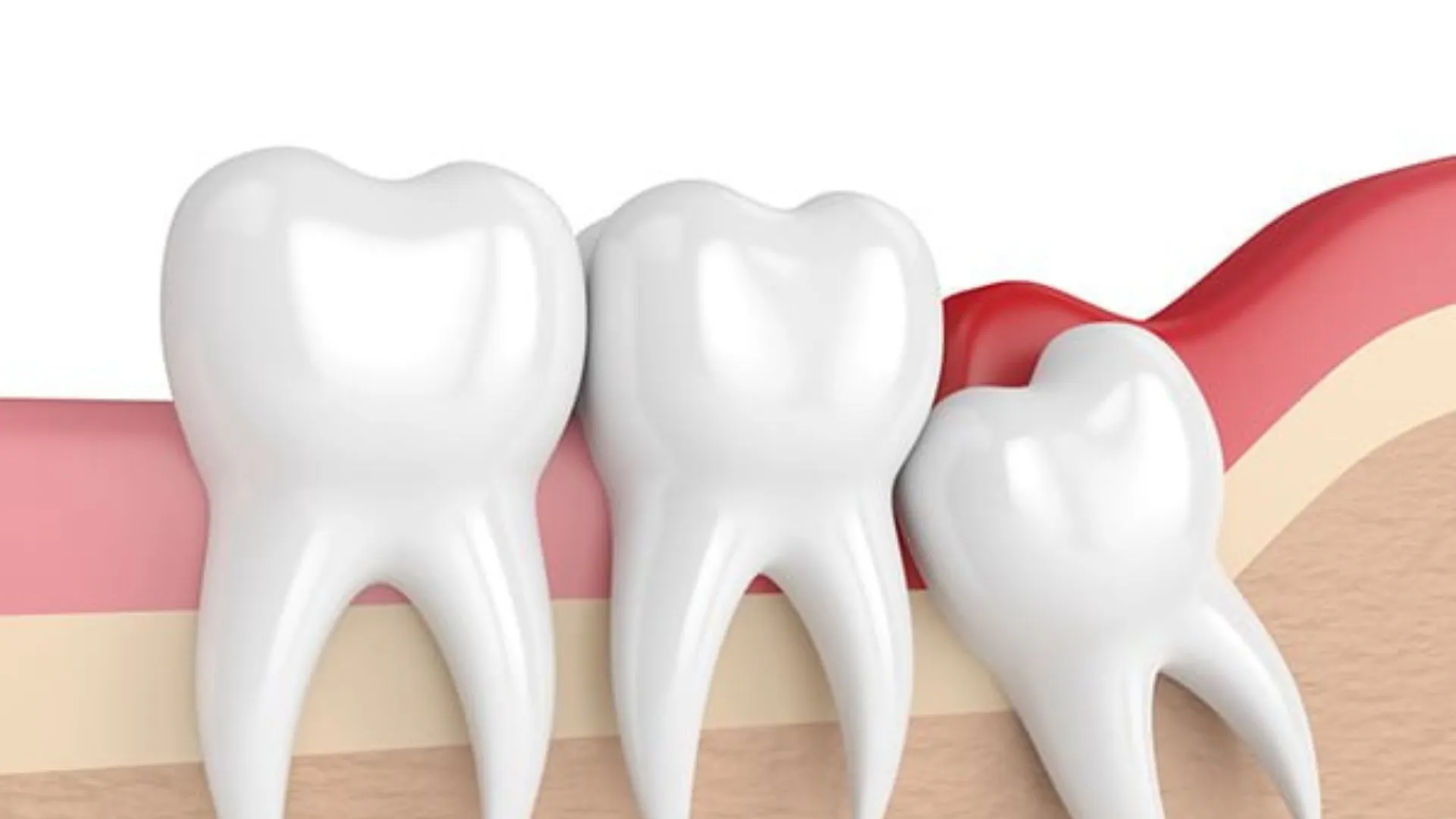
Upper wisdom tooth removal in Bryn Mawr is a routine, in-office procedure performed under local anesthesia, typically taking 15 to 30 minutes per tooth, with most patients back to normal activities within 3 to 5 days. Dr. David Dillon of Dillon Family Dentistry walks Main Line patients through the signs they need extraction, what happens during the visit, and a full recovery timeline. Same-day consultations are available for patients dealing with wisdom tooth pain or infection.
If you’ve got a dull ache in the back corner of your mouth, or your dentist just flagged something on an X-ray, there’s a good chance you’re staring down upper wisdom tooth removal. I’m Dr. David Dillon, and my family has been practicing dentistry in Bryn Mawr for three generations. Upper wisdom tooth extraction is one of the most common procedures we handle at our East Lancaster Avenue office, and I’ve found most of the anxiety around it comes from simply not knowing what’s coming. So let’s fix that.
Here’s the short version: upper wisdom tooth removal is a routine, in-office procedure completed under local anesthesia, usually in 15 to 30 minutes per tooth, with most Bryn Mawr and Main Line patients back to normal eating and talking within three to five days. Below, I’ll walk you through exactly what happens before, during, and after.
What Is an Upper Wisdom Tooth, and Why Does It Cause Problems?
Your upper wisdom teeth, also called maxillary third molars, are the last teeth to come in, usually somewhere between ages 17 and 25, sitting furthest back on the top row. Most adults have more room to spare in the upper jaw than the lower jaw, since the bone up there tends to be softer and less dense. That’s good news: impacted upper wisdom tooth removal is generally a more straightforward procedure than removing a lower wisdom tooth, and the recovery tends to be gentler too.
That said, upper wisdom teeth still cause plenty of problems. Because they sit so far back, they’re nearly impossible to clean properly with a toothbrush alone, so food and bacteria collect around them. I regularly see patients with an upper wisdom tooth that’s grown in sideways, tilted toward the cheek, or only partially broken through the gum. Any of these positions can lead to gum irritation, cheek biting, cavities in a tooth you can barely reach, or a low-grade infection that flares up every few months. When I see this pattern, wisdom tooth removal in Bryn Mawr almost always makes more sense than trying to manage it around a tooth that isn’t doing your mouth any favors.
Upper Wisdom Tooth vs. Lower Wisdom Tooth Removal: What’s the Difference?
Patients often ask why I keep specifying “upper.” The truth is, upper and lower wisdom teeth are genuinely different procedures. The bone in your upper jaw is softer and more porous than the dense bone in your lower jaw, which means upper wisdom tooth removal is typically faster, involves less pressure during the extraction, and comes with an easier recovery. Impacted upper wisdom tooth removal is also less common than impacted lower wisdom tooth removal, since there’s usually more room for the tooth to erupt properly in the upper arch.
Lower wisdom teeth, by contrast, sit in denser bone and are more likely to be angled or trapped beneath the gumline, which is why they tend to involve more swelling and a longer recovery. If you need both upper and lower wisdom teeth removed, we’ll talk through the right approach for your specific case at your consultation. But if it’s just your upper wisdom teeth causing trouble, you can expect a notably simpler visit.
Signs You Need Wisdom Tooth Removal
Patients ask me all the time how to tell whether an achy back tooth is something to watch or something to act on. Here are the signs you need wisdom tooth removal that I look for at every consultation:
- Persistent soreness or pressure behind your last molar, especially if it’s lasted more than a week
- Swollen or tender gum tissue around the back of your upper jaw
- Food is constantly getting trapped in the same spot, no matter how carefully you brush.
- Your cheek gets bitten or irritated in that same corner of your mouth.
- A bad taste or odor that doesn’t go away with brushing, which often points toward an infected wisdom tooth
- Jaw stiffness or a dull ache that radiates up toward your ear or temple
- Visible crowding or shifting in your back teeth on recent X-rays
If even one or two of these sound familiar, it’s worth getting looked at. Left alone, these small warning signs can escalate quickly, and in some cases even lead to a facial swelling emergency, instead of a scheduled visit on your terms.
Before Your Upper Wisdom Tooth Extraction: What Happens at the Consultation
All of my patients receive the same basic approach for all consultations related to the extraction of their wisdom teeth in Bryn Mawr. During each visit, we perform an oral examination, take radiographs (dental X-rays), and review the results together so that I can determine which of the following categories apply to you: impacted / non impacted, but otherwise uncomplicated extraction. Since upper wisdom tooth roots are typically less curved than lower ones, they tend to be easier for the dentist to assess and locate.
Once I’ve determined what you need, we can discuss everything in detail. I will inform you all of my findings, present you with various alternatives, and provide answers to any questions that you may have. We don’t rush through the appointment nor put any pressure on you.
During this time, we will also go over the fee for your wisdom tooth removal in Bryn Mawr, PA, and help you understand your insurance plan as well as create a payment plan, if needed.
You should leave the appointment with a thorough understanding of your oral health and what this procedure will cost.
If you are experiencing active discomfort, are now experiencing swelling, or believe you may be developing an infection, you will not have to wait for several weeks for us to schedule your appointment. We provide same-day appointments for patients requiring same-day removal of their wisdom teeth in a Bryn Mawr practice. Please call our office if you would like additional information regarding emergency wisdom tooth removal before having to ‘tough it out’ until after next month.
What Happens During the Upper Wisdom Tooth Extraction Procedure?
This is the procedure that patients have the most anxiety over, so I’ll be very candid–upper wisdom teeth extractions are performed with local anaesthesia. In most cases, sedation is not used for upper wisdom teeth due to the fact that they are located in more flexible bones than their lower molar counterparts, therefore causing much less friction during the extraction process.
Once I’ve thoroughly numbed your teeth, I will use gentle and controlled pressure to free the tooth from its supporting structures of bone and ligament. In a majority of cases, the upper wisdom tooth will be removed in a single piece and will take only a few minutes to accomplish. If the wisdom tooth has been obstructed or is poorly positioned, I may need to cut the tooth into smaller pieces before continuing, but the entire procedure will be relatively uneventful, as the area has been completely anaesthetised.
After I’ve extracted the tooth, I will remove any debris from the extraction site and ensure that it appears as expected. I will then place some gauze over the site to promote the formation of a clot. Most of my patients are surprised at how fast their appointment goes from start to finish (typically about 15 to 30 minutes), and how much sensation they do not have during their visit. By the time you have lost the numbness later in the day, you will be able to resume your normal activities without the discomfort associated with being under anesthesia and without a laundry list of unanswered questions when you leave my office.
Upper Wisdom Tooth Extraction Recovery Timeline: What to Expect After
Knowing what to expect after wisdom tooth removal makes the whole process far less stressful. Here’s the upper wisdom tooth extraction recovery timeline I walk patients through:
Day 1
The anesthesia wears off within a few hours, and mild soreness sets in. Bite gently on gauze to help the clot form, and keep an ice pack on your cheek for the first several hours.
Days 2-3
Swelling typically peaks here, though upper wisdom tooth sites tend to swell less dramatically than lower ones. Stick to soft foods and stay ahead of any discomfort with the medication I recommend.
Days 3-5
This is when most Bryn Mawr patients tell me they start feeling like themselves again. Swelling recedes, soreness fades, and you can usually return to a fairly normal diet.
Days 7-10
The extraction site continues to close over. Any lingering tenderness is mild at this point, and most people are fully back to work, school, and normal routines well before this stage.
2 Weeks
Although the top of the gum tissue is largely healed, the bone underneath will continue to remodel over a few months. This is typical and nothing to be concerned about.
Recovery from extraction of upper wisdom teeth is typically easier and faster than recovery from lower wisdom teeth; this is because the denser bone in the lower jaw needs more healing time, and the extraction site is generally easier to keep clean. In most cases, a person will require only a few days off from their normal activities.
Recovery Tips to Heal Faster After Upper Wisdom Tooth Extraction
A few simple habits make a real difference in how quickly you bounce back. Here are the wisdom tooth extraction recovery tips I give every patient before they leave the office:
- Stick to soft foods like yogurt, mashed potatoes, soup, and scrambled eggs for the first several days
- Skip straws entirely for at least a week; the suction can disturb the healing socket
- Rinse gently with warm salt water starting the day after your procedure, never the first day
- Apply ice for the first 24 hours, then switch to a warm compress if any swelling lingers
- Avoid smoking or vaping, which slows healing and raises your risk of