

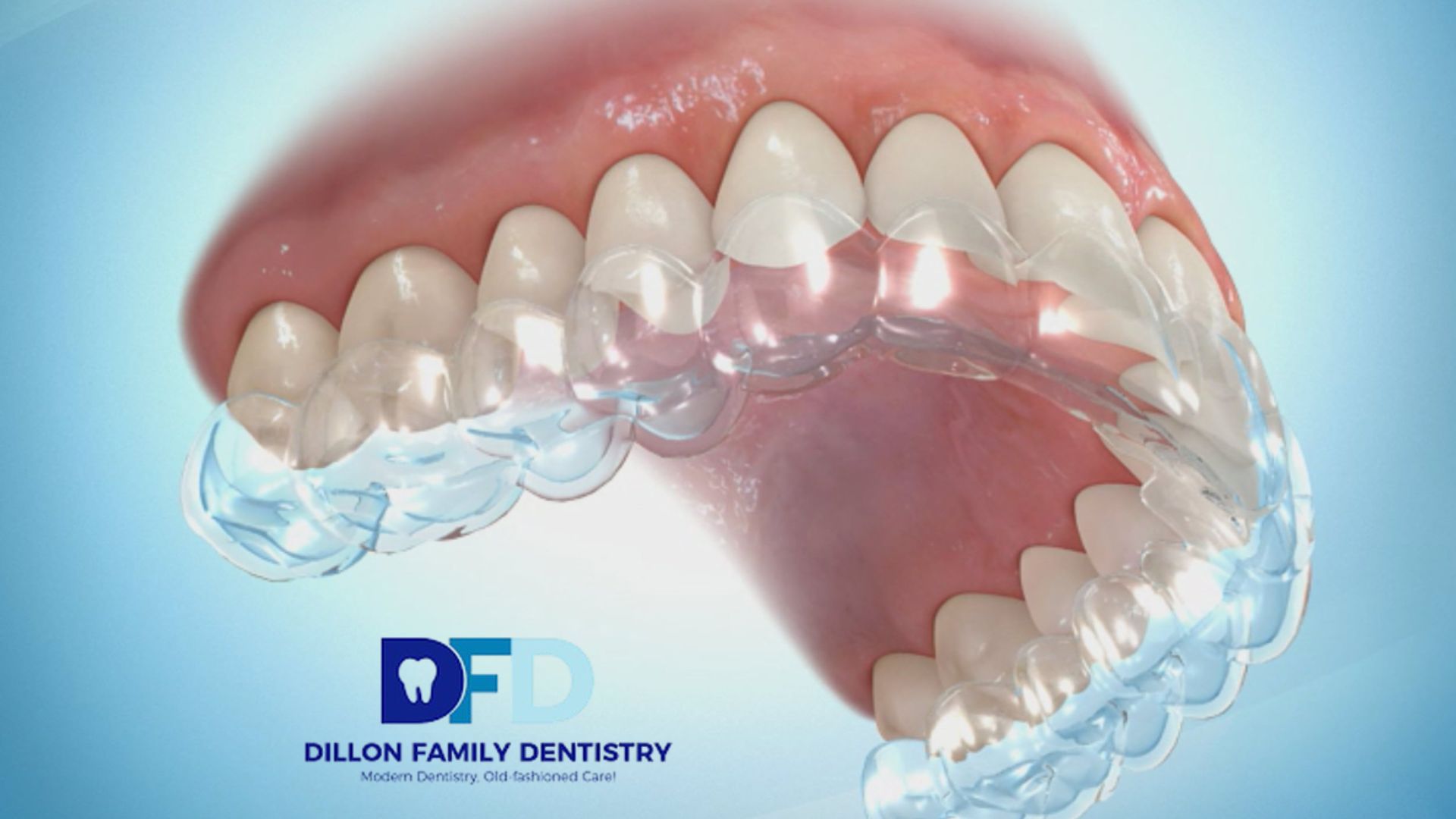
Congratulations on finishing your Invisalign treatment! Your smile looks fantastic! The next step is to ask yourself, What happens next? A lot of our patients in Bryn Mawr and all over the Main Line have the exact same question: Are retainers made with Invisalign permanent, or will I eventually be able to stop using them? This is an important and reasonable question, as the choices you make following your treatment will greatly impact the stability of your smile.
At Dillon Family Dentistry, we guide patients through every stage of Invisalign care, including what happens post-Invisalign. Let’s clear up the confusion and share what dentists actually recommend.
Why Invisalign Retainers Matter After Treatment
Once the teeth have been moved into their proper positions with the use of an Invisalign aligner, it is important to allow your bone and gum tissue to stabilize. If a patient does not wear their retainer consistently, then, over time, their teeth will gradually shift out of place, sometimes quicker than anticipated by the patient.
This is why Invisalign retainer aren’t optional. They’re the key to protecting the time, effort, and investment you’ve made in your smile.
Are Invisalign Retainers Permanent?
The short answer: retainer wear is long-term, but not always full-time forever.
Most patients follow a plan that looks like this:
- First few months: Wear your retainer full-time, except when eating
- After stabilization: Transition to nighttime wear only
- Long term: Continue wearing your retainer at night indefinitely
As we grow older, our teeth naturally move around, regardless of whether or not the patient has worn braces at some point. By wearing a nighttime retainer, the patient can minimize the amount of time that their teeth will shift over time.
Patients may also inquire about getting permanent retainers (retainers bonded to the back of the teeth). These retainers are recommended for some patients under special circumstances, while many patients prefer the comfort, ease of maintenance, and invisibility of removable retainer products such as Invisalign.
What Happens If You Stop Wearing Your Retainer?
Failing to use your retainer at night will cause your teeth to shift. Mildly, this will make your retainer feel like it is not fitting properly. Severely, this could result in your retainer not fitting at all, requiring a replacement from the orthodontist or further orthodontic treatment.
We often see patients who don’t realize how quickly shifting can happen. The good news? Wearing your retainer consistently is a simple habit that prevents bigger problems.
How Long Do Invisalign Retainers Last?
Invisalign recommends that you change your retainers twice a year. They are durable items that can stretch and wear out. You don’t want to wait until that translates into room for your teeth to shift.
When your retainer starts to show signs of cracking, cloudiness, looseness, or discomfort, then it’s probably time to replace it. Replacement retainers will be far cheaper and easier than needing to straighten out the teeth that have shifted due to untreated straightening.
Simple Retainer Care Tips That Make a Difference
Good Invisalign hygiene keeps your retainers comfortable and long-lasting:
- Rinse them every time you remove them
- Brush gently with a soft toothbrush and mild soap
- Avoid hot water, which can warp the plastic
- Store them in their case when not in use
Following these retainer cleaning tips helps keep bacteria away and extends the life of your retainer.
Invisalign Care You Can Trust in the Main Line
At Dillon Family Dentistry, we help patients throughout the Main Line and Bryn Mawr maintain beautiful, healthy smiles long after Invisalign treatment ends. Our team uses modern technology and personalized care plans to ensure your results last.
Patients choose us because we take time to explain our options clearly and support you at every step, whether that’s retainer care, adjustments, or Invisalign retainer replacement.
Protect Your Smile for the Long Run
If you have questions about Invisalign retainers, replacement options, or post-treatment care, we’re here to help. A quick check can save you from future tooth shifting and unexpected treatment.
Frequently Asked Questions
In some cases, yes. Your dentist or aligner dentist will help decide if a bonded retainer is appropriate based on your bite and alignment.
Contact your dentist right away. The sooner you replace it, the less likely your teeth are to shift.
Nighttime wear long-term is strongly recommended. Think of it as maintenance, just like routine dental cleanings.
Teeth can shift noticeably within days to weeks, especially in the first year post-treatment. Two weeks is enough for significant movement. Your retainer may feel tight or not fit properly. Contact your dentist ASAP before it gets worse.
Rinse them every time you remove them, brush gently with a soft toothbrush and mild soap (not toothpaste, which can be abrasive), avoid hot water that can warp the plastic, and store them in their case when not in use. This prevents bacteria buildup and extends retainer life.
Slight tightness initially each night is normal; it means your retainer is doing its job, preventing minor daily shifting. However, if tightness is increasing or severe, your teeth may be moving more than normal. Consult your dentist to ensure you’re wearing your retainer for enough hours.
Cracking occurs from normal wear and tear, exposure to hot water, excessive cleaning pressure, or improper storage (like leaving it unwrapped where it can be stepped on). Replace cracked retainers immediately; even small cracks can compromise their effectiveness and worsen quickly.
Initially after treatment: 20-22 hours daily (full-time except when eating). After a few months of stabilization, nighttime only (typically 8-10 hours while sleeping). Your dentist will guide you on when to transition from full-time to nighttime wear.


