

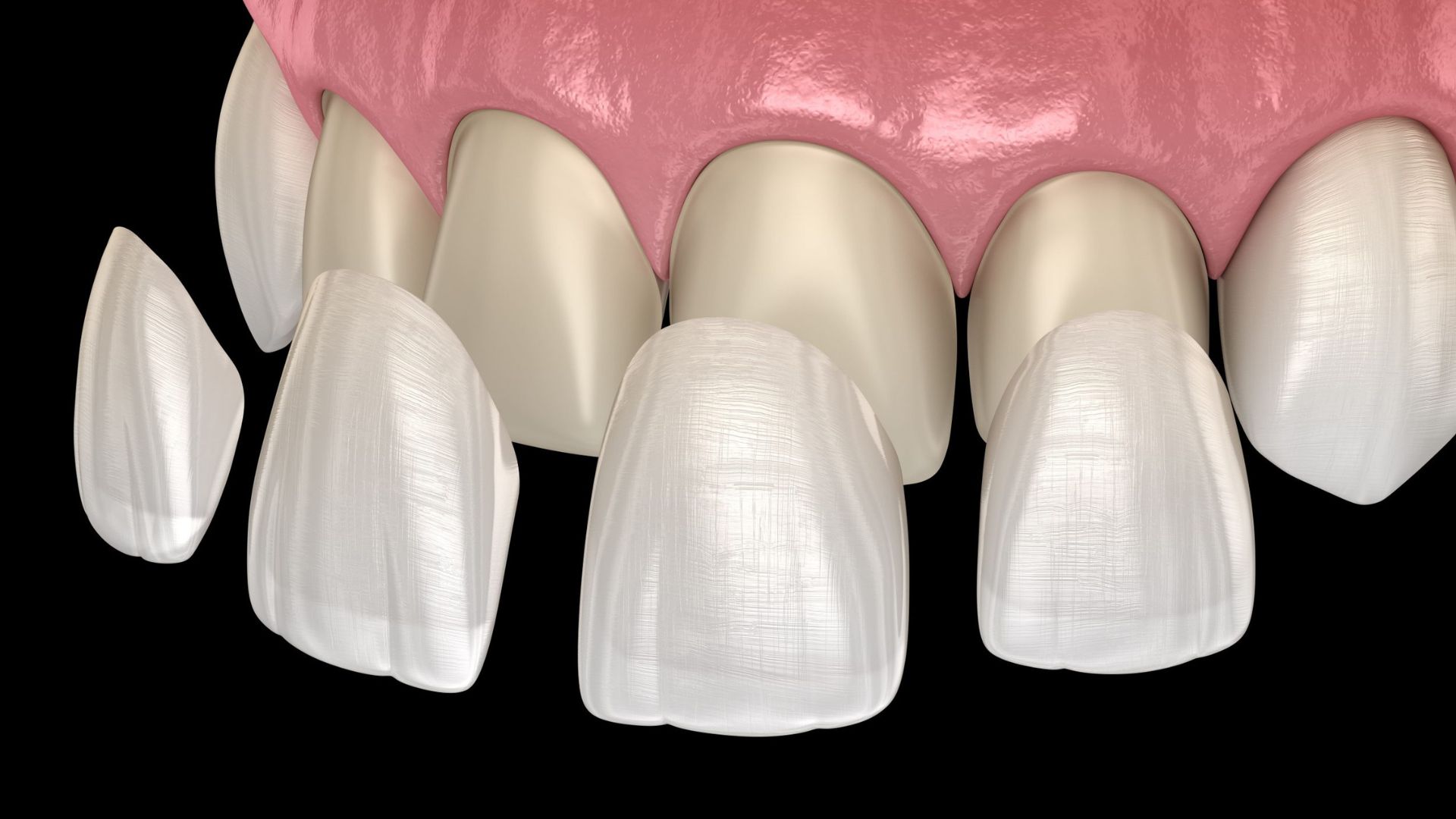
If you’ve been thinking about getting veneers, you may have questions about whether or not veneers will damage your natural teeth. At Dillon Family Dentistry, we know that this is a significant fear for many patients considering cosmetic dentistry. Veneers are an excellent way to improve your smile, but understanding how they will interact with the natural teeth will help you make the best choice for yourself.
What Are Dental Veneers?
Cosmetic dentistry veneers are an excellent option for individuals looking to improve their smile by creating a bright, even appearance and correcting any imperfections. While there are a variety of ways to improve the appearance of your teeth through cosmetic dentistry in Bryn Mawr, dental veneers are one of the safest and most effective options available. If you choose to use veneers as part of your cosmetic dental procedure, make sure you have them performed by an experienced dental professional who has expertise in veneer placement.
Veneers and Natural Teeth: Do They Cause Damage?
Patients are concerned about how much damage veneers can do to their teeth. Here’s a step-by-step look at how Dillon Family Dentistry performs veneer placement:
- Minimal Enamel Removal
When a patient gets veneers, a very thin layer of enamel is removed from the teeth to ensure a proper fit and aesthetics. While enamel removal does permanently take away a small portion of the tooth’s surface, the amount is minimal and does not compromise the tooth’s strength or stability.
- Protection Instead of Harm
Veneers protect the underlying teeth from minor wear and staining after being bonded. With proper care, Bryn Mawr patients can enjoy long-lasting results from their veneers while maintaining the health of the underlying tooth structure. - The following are things Bryn Mawr patients should be aware of when considering veneers:
- Chipping or cracking: While highly durable, porcelain veneers can chip or break when subjected to excessive force (biting hard objects).
- Sensitivity: After the removal of enamel, some patients will experience temporary increased sensitivity for a short period of time.
- Chipping or cracking: While highly durable, porcelain veneers can chip or break when subjected to excessive force (biting hard objects).
- Maintenance needs: Even though veneers last a long time, they will probably need to be replaced at some point.
- Choosing an Experienced Dentist Matters
By choosing an experienced dentist, you’ll have a greater chance of having less tooth enamel removed when they place your veneer. Bryn Mawr dentist emphasise the importance of routine dental check-ups and proper veneer care to prevent future complications. Dillon Family Dentistry also prioritises educating patients on maintaining their veneers to minimise risks and preserve a healthy, confident smile.
Maintaining Your Smile With Veneers
Even though veneers are durable, maintaining them is key to long-term success:
- Brush and floss daily to avoid decay around the veneer edges.
- Avoid biting excessively hard foods that could chip the veneers.
- Schedule routine dental visits for professional checkups.
Following these steps will help you maintain smile veneers that Bryn Mawr patients love, while ensuring the natural teeth underneath remain protected.
Are Veneers Safe for Your Teeth?
The bottom line: Veneers are safe when placed by an experienced cosmetic dentist. With proper care, they enhance your smile without causing significant damage to your natural teeth. Dillon Family Dentistry combines expert techniques, high-quality materials, and personalised guidance to maximise veneer safety for Bryn Mawr patients.
FAQs
1. Do veneers harm your natural teeth?
No, if placed by a well-qualified cosmetic dentist in Bryn Mawr, there should be only minimal tooth structure removed from your tooth surface when placing the veneer, and therefore, they do not weaken your natural teeth.
2. What happens to your natural teeth after veneers?
Your natural teeth remain healthy and continue to be protected after getting veneers placed on top of them. The veneer acts as a barrier or barrier against staining and daily wear and tear to your natural teeth, as prescribed and maintained by your dentist in Bryn Mawr.
3. How do you clean your real teeth with veneers?
You simply need to continue to brush and floss your teeth on a daily basis as you would normally do, and also get regular check-ups from your dentist, Dillon Family Dentistry in Bryn Mawr, to maintain the health of your teeth and veneers.
4. Do bacteria grow under veneers?
No, with proper bonding of the veneers, the tooth surface is coated with the veneer, and therefore it prevents bacteria from accumulating underneath the veneer if you practice good oral hygiene.
5. Should you drink through a straw with veneers?
Yes, using straws for drinking coffee, tea, or soda will diminish potential staining and protect both the veneer and your natural teeth longer.


