
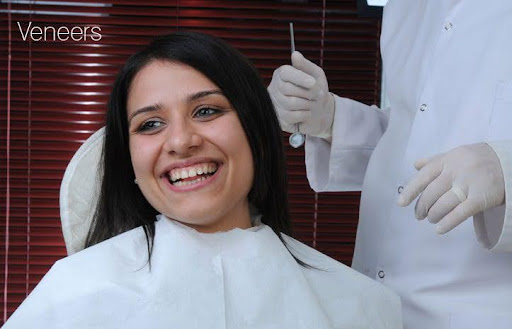
If you want to decide which material (porcelain vs composite) will provide the best solution for you, consider your budget, how quickly you need it, and what look you want. At Dillon Family Dentistry, located in Bryn Mawr, we will help you look at both types of materials (porcelain vs composite) to see the advantages of each so you can have a natural, beautiful smile that enhances your confidence!
When someone sees you for the first time, the way you smile will be one of their first impressions. A great way to make an impression in any of the situations mentioned above is to share a confident smile. Unfortunately, chipped teeth, stains, or gaps can really impact your ability to show off your beautiful smile. You’re not the only one with these types of concerns, and there are many ways to correct them so that you can smile with confidence.
At Dillon Family Dentistry in Bryn Mawr, PA, we hear the same question almost every day: porcelain or composite veneers, which one is right for me? It’s not a simple answer because it depends on your goals, your timeline, and your budget. Both have their strengths. Both can deliver a stunning transformation. And both have been proven effective for the cosmetically conscious residents of the Main Line.
In this article, we compare two different materials for making dental veneers: Porcelain and Composite. We will take you through the differences between these materials based on cost, how well they last, looks, and upkeep, so that you can make your best decision on which type of veneers is best for your smile and your lifestyle.
What Are Dental Veneers?
Let’s look at some definitions before we weigh porcelain versus composite. Veneers are essentially a very thin shell made of either porcelain or composite resin that is placed on the front surfaces of teeth. They are custom-fit to each patient and cover up imperfections while preserving the underlying structure of the natural tooth.
Veneers can be used for a wide variety of cosmetic problems, including chipping/cracking of teeth, discoloration (when whitening won’t work), gaps between teeth, minor misalignment of teeth, and worn-away enamel due to a number of reasons. Because of their versatility, they are one of the most popular methods for dramatic but natural-looking transformations among patients in our Bryn Mawr practice.
Porcelain Veneers: The Gold Standard for Bryn Mawr Smile Makeovers
What Are Porcelain Veneers?
Porcelain veneers are thin ceramic shells that are tailored individually to create your perfect smile and are then manufactured in a dental lab according to the measurements of your teeth; this means that the size, shape, and color of your new smile will be exactly what you’ve envisioned. As porcelain is a very translucent material, it can replicate nature to the fullest extent and therefore offers the best results for aesthetics when compared to other forms of restoration.
Benefits of Porcelain Veneers
- Unmatched Aesthetics
Porcelain reflects light the same way natural enamel does. That means no flat, opaque appearance, just a radiant, authentic smile that looks like it’s yours, because it is. For patients seeking the best natural-looking veneers in Bryn Mawr, porcelain is the clear winner.
- Superior Durability
With proper care, porcelain veneers can last 10 to 15 years or longer, sometimes even 20 years. They’re incredibly resistant to chipping and fracturing, and they hold up well against the daily wear and tear of chewing, speaking, and even the occasional coffee or red wine indulgence.
- Stain Resistance
Unlike composite resin, porcelain is highly resistant to staining. Whether you’re sipping espresso at Char & Stave or enjoying a glass of wine at Tredici Enoteca, you can feel confident that your veneers will maintain their bright, uniform appearance for years to come.
- Long-Term Value
Yes, porcelain veneers cost more upfront. But when you factor in their longevity and low maintenance requirements, they often prove to be the better long-term investment. You won’t need frequent replacements or touch-ups the way you might with composite.
- Considerations for Porcelain Veneers
Porcelain veneers consist of two appointments. The first appointment is for the preparation of your teeth, taking impressions, and applying temporary veneers. The second appointment (Generally within 2 weeks after the initial appointment), bonding of the custom-made porcelain veneers to the teeth, is when the permanent porcelain veneers are put in place. Other than minimal enamel removal (this is irreversible), most patients’ transformation will be so dramatic that they likely wouldn’t want to go back.
Composite Veneers: Fast, Affordable, and Effective
What Are Composite Veneers?
Composite veneers are made from tooth-colored resin that can be applied and sculpted directly onto your teeth in a single visit. Unlike porcelain, which is fabricated in a lab, composite veneers are crafted chair-side by your dentist, which significantly speeds up the process.
Benefits of Composite Veneers
- Same-Day Results
If you need a smile makeover before a wedding, job interview, or special event, composite veneers can often be completed in a single appointment. That’s a major advantage for busy Main Line professionals who don’t have time for multiple visits.
- Lower Upfront Cost
Composite veneers are significantly more affordable than porcelain, typically 30 to 50 percent less expensive. For patients looking for affordable veneers in Bryn Mawr, PA, without sacrificing aesthetic improvement, composite can be an excellent entry point.
- Repairable
If a composite veneer chips or becomes damaged, it can often be repaired in the office without replacing the entire veneer. Porcelain veneers, on the other hand, typically need to be replaced entirely if damaged.
- Less Invasive
Composite veneers usually require little to no enamel removal, making them a more conservative option for patients who want to preserve as much of their natural tooth structure as possible.
- Considerations for Composite Veneers
Porcelain offers higher durability than composite veneers, yet composite can provide beautiful results, though they require more upkeep and regular replacements compared to porcelain. Composite veneers typically last 5-7 years before they need replacing, which is a relatively short period of time. Due to the nature of the material, composite veneers are also more susceptible to discoloration due to factors such as drinking beer, tea, or red wine frequently over time. Whereas porcelain gives you an extremely durable and longer-lasting option for your teeth than composite. Porcelain will not only provide you with much longer life expectancy than composite, but will hold up much better to staining and/or discoloration than composite.
Porcelain vs Composite Veneers: Side-by-Side Comparison
To help you make an informed decision, here’s a direct comparison of the two options:
- Aesthetics: Porcelain delivers the most natural, lifelike appearance. Composite can look great, but it doesn’t match porcelain’s translucency.
- Durability: Porcelain lasts 10 to 15+ years. Composite typically lasts 5 to 7 years.
- Stain Resistance: Porcelain resists stains exceptionally well. Composite is more porous and prone to discoloration.
- Cost: Composite is more affordable upfront. Porcelain costs more initially but offers better long-term value.
- Treatment Time: Composite can be completed in one visit. Porcelain requires two visits spaced about two weeks apart.
- Repairability: Composite can often be repaired. Porcelain usually needs full replacement if damaged.
Which Veneers Are Right for Your Bryn Mawr Smile?
The answer depends on your priorities, budget, and timeline. Here’s how we typically advise our patients:
Choose Porcelain Veneers If:
To achieve a natural-looking, lifelike appearance, you have a high priority on investing in something that is going to last longer than the initial purchase if that is what it will cost. You are also interested in durability and how well it will resist stains. You want to ensure that you will continue to maintain your smile for 10-15 years (or more) after your treatment. You’re ready for a total transformation of your smile.
Choose Composite Veneers If:
You want immediate results and do not have the time required to wait for two weeks for these options to be completed. You have a smaller budget to work with. You intend to make small adjustments in your cosmetic issues (small chips, gaps). You want an option that is “less invasive” and will require a smaller amount of removal of your environmental enamel. You also understand that they will have to be replaced or maintained over the next five to seven years.
The Veneers Process at Dillon Family Dentistry
Step 1: Consultation and Smile Design
At your first consultation appointment here at the Lancaster Avenue practice of Dr. Dillon, he will evaluate your dental wants and needs, look at your general oral health, and help you determine if composite veneers or porcelain veneers are the right choice for you. You’ll also have a chance to discuss your financial situation an