Now that you have completed your aligner treatment, you can see that your teeth are straight, your bite is better, and you love your smile. So you might think your time with Invisalign is all done.
However, the reality is that your Invisalign treatment is not yet finished; you still need to wear a retainer.
At Dillon Family Dentistry, we hear this question all the time: “Why do I need to wear the retainer?” If you’re thinking about not wearing your retainer after Invisalign treatment in Bryn Mawr, there are a few important things to understand about what can happen if you stop wearing it.
Why Retainers Matter After Invisalign
The surrounding bone and gum tissue of your teeth will need to adjust to the movement of your teeth as they shift during the course of your aligners. While your teeth may appear straight after wearing your aligners, they continue to stabilize structurally below the surface of your gums/bones.
If you do not consistently wear a retainer following completion of your Invisalign treatment, it is normal for some degree of tooth movement to occur after completing this treatment. This is a normal biological reaction since teeth want to naturally revert back to their prior locations without being held in place with a retainer. That is where your retainer comes into play to provide this stabilizing effect for your teeth.
What Happens If You Stop Wearing Your Retainer?
If you stop wearing your Invisalign retainers in Bryn Mawr, changes may happen gradually, and sometimes faster than you expect.
1. Your Teeth May Start Moving Back
Even small gaps or minor crowding can return. You may notice:
- Tightness when trying to reinsert your retainer
- Slight overlapping of front teeth
- Spaces reopening between teeth
- Teeth not lining up the way they used to
At first, the shift may be subtle. Over time, it becomes more noticeable.
2. Your Bite Can Become Unbalanced
Movement doesn’t just affect how your smile looks. It can change how your teeth come together when you chew or speak.
An uneven bite may cause:
- Jaw soreness
- Extra pressure on certain teeth
- Increased wear over time
Orthodontic relapse prevention isn’t just cosmetic. It protects the function of your bite and the long-term health of your teeth.
3. You Might Need More Treatment
If there has been significant movement, just putting your old retainer back on may not resolve the issue. You may need an adjustment to your aligners or minor corrective treatment instead.
This may require additional time and appointments and can be more expensive than most patients expect.
How Quickly Can Teeth Shift?
Many patients are shocked to learn just how quickly they may see changes begin. A few weeks of inconsistent wear can significantly change the way teeth appear to shift. The first year of post-treatment with an Invisalign treatment on the Main Line is the most crucial time after retention. If you do not utilize your retainer as instructed during this period, it is the most likely period of time for teeth to shift.
Being consistent with the usage of your retainer during this period is critical.
“I Haven’t Worn My Retainer in a While. What Should I Do?”
Don’t worry if it’s been weeks or months since you last wore your retainer. Try putting it back in. if it still fits (even if it feels a little tight), start wearing it each night. Mild tightness can be a sign of small movements that may still be corrected.
If your retainer does not fit at all, schedule a consultation. At Dillon Family Dentistry, we will assess the situation and provide conservative recommendations.
Dr. David M. Dillon, DMD, believes in preventative care and is committed to providing clear communication; he will discuss what has happened and what can be done to protect and maintain your smile from future issues, moving forward.
Is Wearing a Retainer Really a Long-Term Commitment?
Yes, and that surprises many people.
Wearing retainers after braces or Invisalign isn’t temporary. Teeth can shift throughout adulthood due to natural aging, grinding, and everyday bite pressure.
Most patients are advised to:
- Wear retainers full-time immediately after treatment
- Transition to nighttime wear after several months
- Continue wearing them nightly long term
Nighttime wear becomes part of your routine, like brushing your teeth.
Why Invisalign Retainers in Bryn Mawr Are So Important
Your smile plays a major role in how you present yourself personally and professionally. After investing in Invisalign treatment in Bryn Mawr, protecting those results is essential.
Wearing your retainer:
- Keeps your teeth aligned
- Maintains your bite stability
- Prevents unnecessary retreatment
- Preserves the confidence you gained
It’s a small effort that protects a major investment.
Signs You May Be Experiencing Teeth Shifting
If you’ve been inconsistent with your retainer, watch for these early signs:
- Your retainer feels noticeably tighter
- Floss feels different between certain teeth
- Minor crowding appears in the lower front teeth
- Small gaps seem to reopen
Catching these changes early allows for simpler solutions.
Post-Invisalign Care on the Main Line
Proper post-Invisalign care is straightforward but requires commitment. Our team serving Bryn Mawr and the Main Line encourages patients to:
- Wear retainers every night
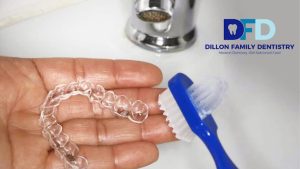
- Clean them daily to prevent buildup
- Store them properly when not in use
- Replace them if they become worn or cracked
- Attend regular dental checkups
These habits help ensure orthodontic relapse prevention and long-lasting results.
Can I Ever Stop Wearing My Retainer?
As a person gets older, their teeth will continue to move out of position. For Main Line patients who’ve completed Invisalign treatment, teeth may begin to gradually shift within a few months if the retainer isn’t worn.
By wearing the retainer only at night, you are providing a simple way to maintain the stability of your teeth after treatment. Consider it maintenance instead of treatment.
Maintaining your retainers requires minimal effort, yet it plays such an important role in the success of your final result.
Protect the Smile You Worked For
Now is the time to resume your use of Invisalign retainers in Bryn Mawr if you’ve quit wearing them. The sooner you do this, the easier it will be to stop more major changes from occurring.
Dillon Family Dentistry takes pride in providing exceptional service to all patients located in Bryn Mawr and the Main Line, by providing preventative services, educational services, and individualized patient care through each visit.
If you’re unsure as to whether your teeth have moved or if your retainer no longer fits properly, please visit our office for a consultation. We will assess your current smile and assist you in keeping those results you have worked very hard to achieve.
Just because you take your aligners off at the end of your Invisalign treatment does not mean that your Invisalign journey has come to an end. You’ll need consistent care to protect your results, and we’ll continue to support you along the way.
FAQs
If you stop wearing your retainer, teeth shifting after Invisalign can begin within weeks. Your teeth may gradually move back toward their original positions, affecting both appearance and bite. Consistent orthodontic relapse prevention is essential to protect the results of your Invisalign treatment in Bryn Mawr.
A tight retainer usually means minor movement has occurred. Resume wearing it nightly as part of your post-Invisalign care routine. If it doesn’t fully seat or causes pain, schedule a dental visit to prevent further shifting and protect your alignment.
Most retainers last 6–12 months, depending on wear and care. Cracks, looseness, or discoloration are signs it’s time for replacement. Patients who complete Invisalign treatment Main Line practices provide should plan regular evaluations to ensure their retainer continues fitting properly.
Not everyone experiences a major relapse, but movement is very common without consistent retainer use. Orthodontic relapse prevention relies on nightly wear. Skipping retainers after braces or Invisalign increases the risk of crowding, spacing, and bite changes over time.
Yes, it can be normal. Daily insertion and removal cause natural wear. As part of proper post-Invisalign care, many patients replace retainers annually to maintain strength, clarity, and proper fit.
Lower front teeth often shift more quickly due to natural crowding tendencies and tongue pressure. Teeth shifting after Invisalign is especially common in this area, making consistent retainer wear critical for long-term stability.
Both options have benefits. Permanent retainers provide continuous support, while removable retainers offer easier cleaning and flexibility. During Invisalign treatment in Bryn Mawr, your dentist will recommend the best solution based on your alignment and long-term stability needs.