You are currently viewing How Often to Replace Invisalign Retainers
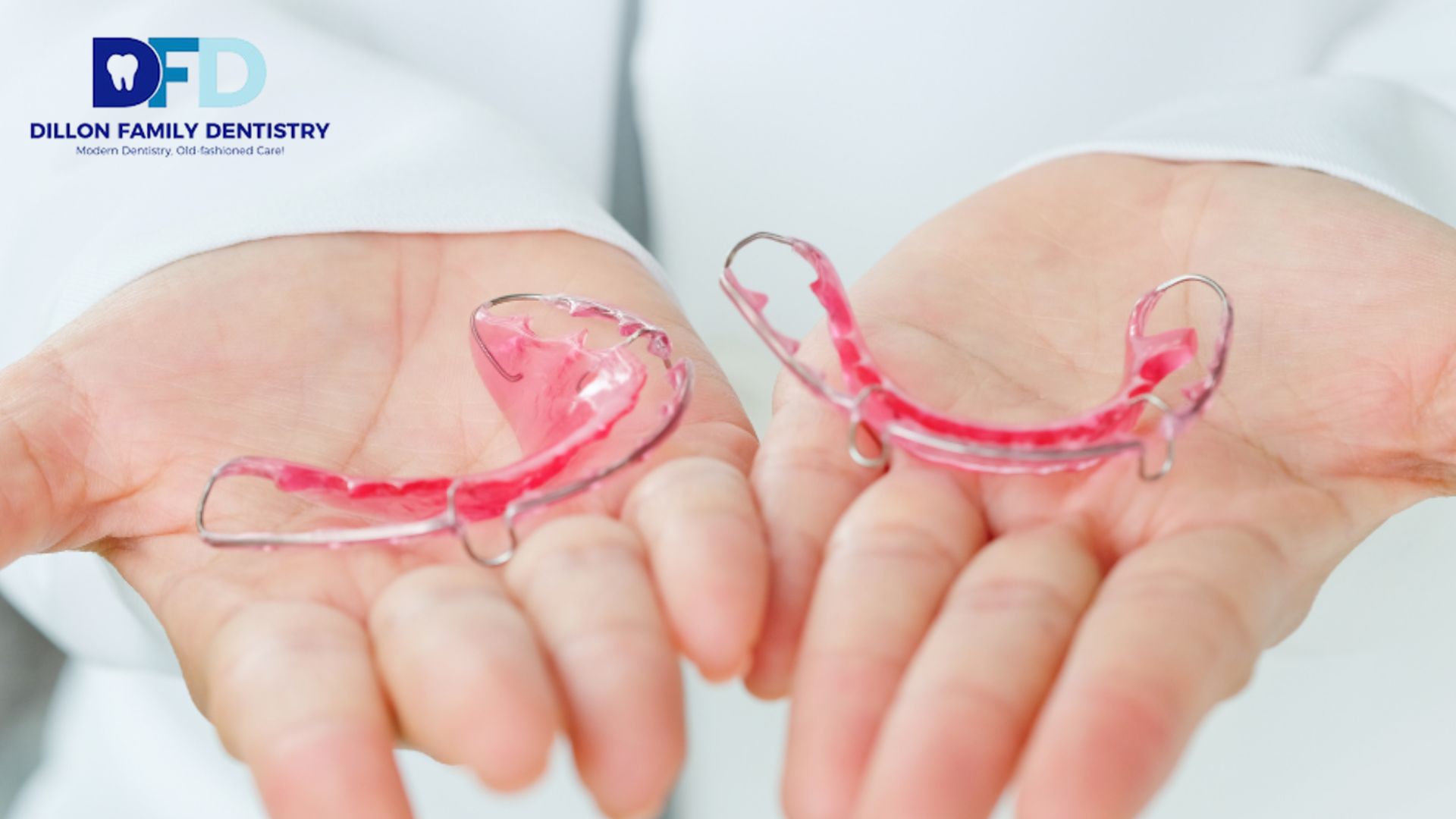
Invisalign retainer in bryn mawr

How Often to Replace Invisalign Retainers

Investing time and money into your Invisalign therapy in the Main Line is a lot of work – don’t let it go to waste by not maintaining your retainers correctly so that you can keep that gorgeous smile for as long as possible! Invisalign retainers usually have a replacement cycle of 1-2 years, but things like how often they’re worn, how well they’re cleaned, and whether or not you grind your teeth at night can all contribute to the shortening of their lifespan. At Dillon Family Dentistry in Bryn Mawr, we can provide you with assistance in determining when your retainers need replacing and offer support in maintaining them properly between replacements to ensure you’ve got the best possible result from your treatment.

You have made it! After wearing your Invisalign aligners for months, your smile is unbelievable! Whether you’re at Dillon Family Dentistry in Bryn Mawr or were here at any other office along the Main Line, take a moment to congratulate yourself for the investment you made in yourself.

Here’s where you find out what no one told you before starting this journey. Your journey with Invisalign does NOT end with the last aligner. Retainers are not a one-and-done type of appliance. Imagine your retainers as the tires on your car. They perform an important function while you sleep, and like any piece of equipment, they will wear out.

So, how often do you need to replace your retainers? Let’s figure it out!

Table of Contents

The Honest Answer: Most Invisalign Retainers Last 1-2 Years

Since I work with patients who’ve recently undergone Invisalign treatment at our Bryn Mawr location, I’ve been asked the same question over and over again: “Doctor, how long do these retainers last?”

In most cases, a patient’s Invisalign retainer must be replaced every one to two years.

Now, before you panic about the timeline because it’s not designed to make you come back into my office, it has to do with physics and biology.

Each night, your retainer is placed in your mouth for approximately 8 to 10 hours, surrounded by saliva, bacterial contamination, temperature fluctuations from where you sleep (i.e., both hot and cold), and the constant pressurization from your teeth.

Although Vivera retainers are made of a high-quality material and are 30% stronger than any other type of clear retainer, they can still wear out over time just like any other material. A few patients can manage to go beyond the two-year mark with perfect care and attention to their retainers; however, some patients may only wear their retainers for a few months before they have to be replaced.

Here at our Lancaster Ave location, we’ve noticed that some patients, especially those who grind their teeth at night or forget to take their retainer out before eating, tend to go through retainers much faster than other patients. This is completely normal. The most important thing is recognizing when it is time to replace your retainer.

Why Invisalign Retainers Don’t Last Forever

Teeth possess a property referred to as “elastic memory.” Essentially, they tend to revert to their prior locations prior to beginning orthodonture treatment or Invisalign. Your treatment wasn’t a failure because of this phenomenon; rather, it’s simply due to how teeth behave. Additionally, the bone and soft tissue surrounding your teeth will take time to stabilize in their new position and may take several years for complete adjustment.

That’s where retainers come in. They hold everything in place while your mouth adjusts to its new reality. But retainers themselves face daily challenges:

  1. Material fatigue from constant wear and removal
  2. Bacterial buildup that weakens the plastic over time
  3. Temperature fluctuations from hot and cold liquids
  4. Physical stress from teeth grinding or clenching
  5. Chemical exposure from cleaning products

In Bryn Mawr, I describe to patients how a retaining wall keeps dirt back. A retaining wall performs effectively for many years; however, after years of weather and time, pressure begins to affect it. A retainer acts the same way; constant pressure causes the retaining wall to warp over time.

Clear Signs Your Invisalign Retainers Need Replacing

Most of my patients can feel when something’s off before they can see it. Trust that instinct. Here are the telltale signs we see most often at our Bryn Mawr practice:

The Retainer Feels Loose or Doesn’t Snap Into Place

When your retainer is new, it should snap neatly into place with a firm click sound. You will feel some resistance when inserting it into your mouth; however, if it easily slides onto your teeth or if it seems too loose or loose enough that it no longer hugs your teeth properly, this indicates that you will have to get a new retainer. A loose-fitting retainer is not going to help hold your teeth in place and will serve little more than decorative purposes at this time.

Visible Cracks, Cloudiness, or Discoloration

If you look at your retainer through the light, do you see any hairline fissure-like cracks? If you see any yellowish/cloudy spots that do not come off when you clean, that is an indication of material breakdown. These small cracks can create an environment for rapid growth and eventually lead to complete failure. The cloudy discolouration is not only for looks, but it also typically indicates bacterial infiltration of the plastic material, which weakens the retainer.

Your Teeth Feel Different When You Wake Up

You should not ignore this sign of a problem. If you awaken in the morning and feel like your teeth are no longer in the correct position or see small gaps where they used to touch, your retainer is no longer doing its job. Do not put it off! The small movements may rapidly become larger.

The Retainer Has a Persistent Bad Smell or Taste

No matter how well they are cleaned, eventually, all retainers accumulate bacteria within the depth of the plastic material. If your retainer continues to smell bad after you have cleaned it thoroughly, it is possible that bacteria have built up in very tiny cracks or crevices. This is not only disgusting, but it also indicates that the material has lost its strength.

Warping or Shape Changes

Set your retainer down on a flat surface and view it from the side. Is it at a level angle? Is it wobbling? Has the overall form changed at all? Warping can occur due to exposure to high heat, improper cleaning, or just general use over time. A warped retainer puts unequal pressure on your teeth, which may create additional problems, rather than solve them.

What Happens If You Don’t Replace Worn-Out Retainers

I’m noticing a pattern with previous patients of Bryn Mawr; they will have completed an Invisalign treatment, worn their removable retainers consistently for one or two years, and then life happens. They continue to wear their old retainers far into their lifespan because it seems like too much of a hassle or an unnecessary expense to get new retainers.

The actual scenario is that the previously worn removable retainers are no longer effective at holding teeth in position. You don’t notice any change at this time because the first changes are only microscopic, but eventually, small spaces develop between teeth, and slight rotations happen. Your bite feels different, and eventually, you arrive in the office saying your teeth have shifted, and they certainly have.

At that point, we are looking at the possibility of having to retreat you with new aligners. This will take more time and money than it would have cost you to get replacement retainers. I have had patients leave the office crying because they have undone years of orthodontic treatment, because they have tried to get their old removable retainers to last longer than they are intended, or because they need what is essentially insurance for their orthodontic investment (retainers) in order to have a beautiful smile after years of hard work. 

If you do not have adequate retention, your teeth may shift significantly in a matter of weeks. Your beautiful smile that you have worked so hard to achieve is not going to last indefinitely; therefore, you need to use removable retainers to achieve the longevity you expected.

Types of Invisalign Retainers and Their Lifespans

Not all retainers are created equal. Here’s what we typically recommend to patients in the Bryn Mawr area:

Vivera Retainers

Vivera retainers are produced by Align Technology, the manufacturer of Invisalign, and are made out of the same 3D imaging system that created your initial treatment plan. Vivera retainers also offer significantly greater durability than standard clear retainers; with the material being over 30% stronger than standard materials, they hold up to wear-and-tear much better in terms of cracking and discoloration.

They have a life expectancy of 12-24 months with appropriate maintenance; some of our Bryn Mawr patients have even reached 2 years with their Vivera retainers, following proper care and maintenance routines.

Standard Clear Retainers (Essix-Style)

These look similar to Invisalign aligners and Vivera retainers but are made from thinner, less durable plastic. They’re less expensive upfront but may need replacing more frequently.

Expected lifespan: 6-18 months. The thinner material means they’re more susceptible to cracks, warping, and wear from grinding.

Permanent (Bonded) Retainers

Bonded retainers are thin wires connected to the backs of the four front teeth. Most patients use bonded retainers on the front teeth, plus clear removable retainers to stabilize the molars and overall bite.

Bonded retainers are expected to last from 3 to 10 years. While the wire is very durable, the bond may weaken, or the wire may break. Regular dental cleanings allow us to check the bonded retainer’s condition and find any problems early.

Don’t Just Read About It—Discover a Healthier Smile Today!

Take control of your oral health at Dillon Family Dentistry. Book an appointment today!

Making Your Invisalign Retainers Last Longer

While replacement is inevitable, proper care can help you get every possible month out of your retainers. Here’s what we recommend to patients at Dillon Family Dentistry:

Clean Them Daily (But Gently)

The toothbrush should be used with room-temperature water and not in any way allow hot water to come into contact with the plastic, as this may cause distortion to the shape of the piece. It is also crucial not to use toothpaste, as most types contain abrasives that can cause tiny scratches on the surface of the piece where bacteria will reside. A clear unscented dish soap works wonderfully as a cleaning agent; however, some of our patients on the Main Line have sworn by the use of either specialty dentists’ cleaning tablets or cleaning tablets specifically designed for cleaning retainers. Both products work quite well when following the directions and recommendations listed on the packaging.

Store Them Properly

When not in your mouth, your retainers should always be protected by using a carrying case. This may appear commonsense; however, we frequently observe retainers discarded mistakenly by being placed with napkins while dining out or left out to be damaged when they are stepped on while resting on tables. Cases protect your retainers from physical damage and also prevent inquisitive (and often destructive) pets from getting to them – canine owners can surely agree with this statement.

Remove Before Eating or Drinking Anything Hot

Water is fine. Everything else comes out first. Hot coffee, tea, or soup can warp retainers. Chewing with retainers puts massive stress on the material and accelerates wear. I know it’s tempting to leave them in “just this once,” but those just-this-once moments add up.

Address Grinding Issues

If you grind or clench your teeth at night (we call it bruxism), talk to us about it. We can discuss whether you need a separate night guard to wear over your retainer, or whether you might benefit from a different retainer material or style. Grinding is the number one cause of premature retainer failure among our Bryn Mawr patients.

Keep Up with Dental Checkups

Bring your retainers to your regular cleanings and checkups. We can inspect them for wear patterns you might not notice and catch problems early. We can also professionally clean them to remove buildup that home care misses. Many issues we catch during routine exams are ones patients didn’t even realize they had.

The Cost Reality: Replacement vs. Retreatment

Let’s discuss finances, can’t escape it, right? A replacement retainer can cost anywhere between a hundred dollars and five hundred dollars, depending on where and what type of retainer you need. A set of four Vivera retainers made by Invisalign allows you to have backups while spreading out the cost of your retainer(s) over many years as well.

Contrast that scenario with retreating your teeth if they move enough: You will pay between two thousand dollars and three thousand five hundred dollars for limited Invisalign cases. You would pay between three thousand dollars and six thousand dollars or MORE for all extensive retreatment options, and you will have to spend A LOT of your time in the process.

I have had many conversations with patients who put off replacing their retainer(s) for a few hundred dollars only to find out later that they had to pay several thousand dollars to get their teeth retreated. Trust me, I do not enjoy having these kinds of conversations with patients. The numbers are clear, though; It is cheaper to replace lost retainer(s) than it is to deal with the exponential costs of having your teeth retreated.

Getting Replacement Retainers in Bryn Mawr

There are a few ways to get new retainers: if you’ve completed treatment at Dillon Family Dentistry using Invisalign, we have your past records and will be able to get you new retainers by simply ordering them based on the final position of your teeth. To obtain replacement retainers, you can schedule an appointment, and we will confirm that your teeth haven’t moved from where they should be (their correct positions), and we’ll then be able to order replacement retainers.

If you completed your therapy at a different dentist but live near the Main Line area, we are happy to assist by doing a brief evaluation to ensure your teeth are still aligned as per their treated positions, obtaining either new impressions or digital scans of your teeth, and providing you with new retainers.

I hear many patients asking about online/through-the-mail retainer services. I understand the appeal of low cost and convenience. However, I caution you to proceed with caution. Retainers made from old impressions won’t fit as well after your teeth have shifted even the slightest bit, and they could even cause damage. Also, any developing dental issues won’t be caught through a mail-ordered retainer service.

For those in the Bryn Mawr area, we are located on Lancaster Avenue and accepting new patients to help you maintain that beautiful smile you’ve worked hard for! We participate with most dental insurance plans, and many companies will pay some portion of the cost for retainers.

What About Permanent Retainers?

Many patients inquire about the possibility of having permanent bonded retainers and bypassing the entire replacement process. This is an understandable question. There are really good reasons for choosing bonded retainers: they cannot be lost, there is no remembering to wear them, and they will protect your front teeth literally 24 hours per day.

Unfortunately, bonded retainers will not work for everyone. A bonded retainer will only protect the six front teeth that are attached to it; thus, they will not help maintain your bite relationship, nor will they prevent your molars from moving about. Most orthodontists (including myself) prefer to recommend a combination of bonded and removable clear retainers to protect the complete arch of teeth.

One other consideration is that bonded retainers need to be kept clean around the wire; cleaning will be difficult, and flossing will be more of a challenge with bonded retainers. The retainer itself can last several years; however, the bonding may come off, resulting in repairs being needed.

Special Considerations for Main Line Residents

The Main Line community appreciates quality and durability in their dental treatment. The same applies to maintaining retainers properly. Many of my patients in Bryn Mawr are ambitious professionals, parents with multiple children, and college students at local campuses like Villanova and Haverford, all of whom lead busy lives. I understand how hectic life can be.

To address this concern, I recommend setting a monthly reminder to check your retainers and to schedule an appointment for checking retainers and routine cleanings together. You will make it automatic and remove barriers when doing so. As an added precaution, keep spare retainers available for those who travel frequently, since losing your retainer while away on vacation or business can result in teeth shifting before you return home.

If you have teenagers who need orthodontic treatment, please discuss with them how to properly care for their retainers. The majority of lost or damaged retainers I see occur during the teenage years, and this is also an opportunity to teach your child how to manage their retainer care effectively. Teaching responsible retainer maintenance will teach your teen very important life skills about how to maintain their investments and follow through with commitments.

The Bottom Line on Invisalign Retainer Replacement

Make Sure You Change Your Invisalign Retainers at Least Every 1-2 Years. If You Notice Them Becoming Loose or Cracked or Changing Colour or How They Feel Against Your Teeth, Then Do Not Wait Until Something Breaks. Be Proactive.

Without The Correct Use Of Your Invisalign Retainers, Your Orthodontic Outcome Cannot Be Guaranteed Forever. Your Teeth Will Always Want to Move Back to Their Original Position, and The Only Thing That Can Prevent This From Happening Is The Incessant Use Of Retainers. Think of a replacement for a retainer as routine maintenance, not an extra expense.

We want to help Bryn Mawr patients preserve their orthodontic investment at Dillon Family Dentistry for the long term. Whether you are finished with your Invisalign treatment at our practice or elsewhere, we can evaluate your current retainers and answer your questions about when to replace them. We will also help you get fitted for new retainers that fit comfortably and do their job properly.

Just as you took care of your teeth during your Invisalign treatment, it is important to take care of your teeth after the treatment. If you have worn-out retainers, all the effort you put into achieving your new smile can be wasted. Be proactive and consistent, and maintain that beautiful smile where it belongs.

FREQUENTLY ASKED QUESTIONS

1. How often should you replace Invisalign retainers?

Generally speaking, most types of Invisalign® retainers need to be changed out every one to two years. The Vivera® retainer is the strongest of all options available, and, when taken care of properly, can last 12 to 24 months; however, standard clear retainers will typically need replacement within six to eighteen months. Several factors, such as grinding your teeth, how you clean your retainer, and how often you wear it, will determine how long it will last. If your retainer becomes loose or has visible cracks or a persistent odor, it should be replaced immediately, regardless of how long you’ve had it.

2. When should you replace Invisalign retainers?

Replace your Invisalign retainers when you notice: loose fit (doesn’t snap into place), visible cracks or cloudiness, persistent smell or taste despite cleaning, warping or shape changes, or if your teeth feel different when you wake up. Don’t wait for complete failure. Early replacement prevents teeth from shifting back to their original positions and avoids costly retreatment.

3. How long do Invisalign retainers last?

Invisalign retainers typically last 1-2 years, depending on the type and how well you maintain them. Vivera retainers (made by Invisalign) last longest at 12-24 months or more, thanks to their 30% stronger material. Standard clear retainers usually last 6-18 months. Bonded permanent retainers can last 3-10 years but only protect front teeth. Proper daily cleaning, avoiding hot liquids, and storing in a protective case maximize lifespan.

4. Where can I get Invisalign retainers in Bryn Mawr, PA?

You can get replacement Invisalign retainers at Dillon Family Dentistry in Bryn Mawr, located on Lancaster Avenue. We serve the Main Line area, including Villanova, Ardmore, Haverford, and surrounding communities. We accept most dental insurance plans and can order Vivera retainers or standard clear retainers based on your existing records or new digital scans. Call us to schedule a retainer evaluation appointment.

5. What are the signs you need a new Invisalign retainer?

Key warning signs include: retainer feels loose or doesn’t snap snugly onto teeth, visible cracks or fractures (even small hairline cracks), persistent cloudiness or yellowing that won’t clean off, bad smell or taste despite proper cleaning, retainer has warped or changed shape, teeth feel slightly different, or gaps appear between teeth, or the retainer is more than 2 years old. Any of these signs means it’s time for replacement.

6. How much does it cost to replace Invisalign retainers?

Replacement Invisalign retainers typically cost $100-$500, depending on the type and location. Vivera retainers (premium option) usually come in sets of four for around $400-$600 total. Standard clear retainers run $100-$300 per set. Many dental insurance plans cover partial retainer replacement costs. This is significantly cheaper than Invisalign retreatment ($2,000-$6,000) if your teeth shift due to worn-out retainers.

7. Can I use my last Invisalign aligner as a retainer?

Your final Invisalign aligner may serve as a makeshift retainer in case of an emergency (if the retainer you are using is lost); however, it is not made to be a long-term solution. The aligner is thinner and not made from durable materials like a retainer, so it will typically wear out much quicker than the expected life of a retainer after 3-4 weeks of wear each (unless you are using a durable retainer). Proper retention over time can best be achieved by using a traditional retainer, such as a Vivera or Essix type retainer, which was specifically manufactured to last for several years of wear.

8. What happens if you don’t replace worn-out retainers?

Continuing to wear worn-out retainers leads to gradual teeth shifting back toward their original positions. You might not notice immediately, but over weeks and months, small gaps appear, teeth rotate slightly, and your bite changes. Eventually, you’ll need costly Invisalign retreatment ($2,000-$6,000) to correct the shifting. Worn retainers can’t maintain proper pressure to hold teeth in place, making them essentially useless despite still being worn.

9. Are Vivera retainers worth the extra cost?

Vivera retainers are generally worth it for their durability and longevity. They’re 30% stronger than standard clear retainers and resist cracking and discoloration better. While they cost more upfront ($400-$600 for a set of four), they last longer (12-24+ months vs 6-18 months for standard retainers). The four-retainer set means you have backups if one is lost or damaged, potentially saving money long-term compared to buying multiple replacements of cheaper retainers.

10. Do I need to wear retainers forever after Invisalign?

A retainer is an indefinite commitment after completing treatment with Invisalign. After your treatment is complete, your teeth will have an “elastic memory” and will want to return to where they were before you started. This is why you’ll wear your retainers full-time (20-22 hours a day) for the first 3-6 months and then only at night for the rest of your life. Many orthodontists suggest reducing wear to 3-4 nights a week after a number of years; however, most patients will continue to wear them at night for the rest of their lives to ensure they retain their results. If you skip wearing your retainer for more than a couple of days, you could eliminate all your hard-earned orthodontic results.

Experience Exceptional Care at Dillon Family Dentistry!

Transform your dental care with personalized solutions for all dental needs—from cleanings to cosmetic treatments.

David Dillon

Dr. David M. Dillon, DMD Dr. David M. Dillon is a dedicated dentist with a passion for delivering compassionate care and staying at the forefront of modern dental advancements. A third-generation dentist, Dr. Dillon combines his family’s legacy of patient-centered care with cutting-edge techniques in restorative and cosmetic dentistry, including dental implants, veneers, Invisalign and more. He believes that informed patients make the best decisions for their health, so he takes extra time to educate each individual about their options, ensuring they feel confident and empowered throughout their dental journey. Dr. Dillon is committed to lifelong learning and regularly participates in continuing education to enhance his skills and provide the highest standard of care. Outside of the office, he serves as president of the Rotary Club of Ardmore and is very active in local and international community service; he’s also engaged in coaching local youth sports teams. With a warm, welcoming approach and genuine care for his patients, Dr. Dillon strives to create a relaxed, comfortable environment where every visit is a positive experience.