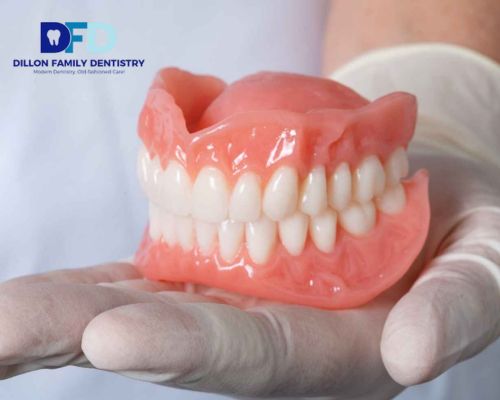
Denture care is an important aspect of maintaining your dental health. While dentures help you eat comfortably, speak clearly, and have a great smile, they do not last forever. With time, dentures can wear down, become loose, or uncomfortable, which can affect your daily life. Being knowledgeable about when to replace your dentures can help you maintain your overall oral health. At Dillon Family Dentistry, we are a trusted name in Bryn Mawr, and our dentists understand these needs.
To make everything easier to understand, this blog walks you through the key signs that your dentures may need replacement, the situations where repairs or adjustments can help, and what to expect when a full replacement becomes necessary.
Why Dentures Need Replacement Over Time
Over time, dentures naturally wear down, and the fit changes as your gums and jawbone gradually shift in shape. While regular checkups and proper maintenance can extend their lifespan, every denture will eventually need to be replaced to ensure comfort, stability, and proper function.
The life expectancy of a denture can be between five and seven years based on usage, maintenance, and the material used.
6 Signs It’s Time to Replace Your Denture
1. Loose or Slipping Dentures
If your dentures feel uncomfortable when you’re eating or speaking, this indicates that the fit of your denture has become loose and the bone structure in your jaw has shifted over time. Wearing loose dentures can irritate the gums, lead to sore spots, and create social discomfort.
If your dentures are becoming loose, it’s possible that you may need an adjustment or replacement for your full dentures in Bryn Mawr; please contact us to discuss your options.
2. Persistent Discomfort or Soreness
If your dentures hurt, it might be due to pressure points, chronic gum pain, or continued abrasive rubbing against your gums. If that is the case, you could have warped or worn-down dentures. It is advisable to have an evaluation done to determine whether denture repair can fix the problem or if replacing the dentures is the best option.
3. Visible Wear or Damage
Denture function and appearance are affected by chips, thin denture base, cracks, and broken teeth. Dentures can sometimes be repaired; however, as damage occurs frequently, this may be a sign that the denture is at the end of its life span.
4. Gum Irritation or Inflammation
When dentures fit improperly, they can result in gum redness, multiple infections, or even potential fungal conditions. Failure to address these problems can negatively affect the general health of the oral cavity.
5. Changes in Facial Appearance
When dentures no longer provide proper support, the facial structure can begin to weaken, leading to sagging cheeks, sunken lips, and an overall collapsed appearance. A replacement denture can provide support to re-establish your natural facial structure.
6. Dentures Over 5–7 Years
Even a well-made set of dentures will eventually show signs of age as the materials wear down and your mouth naturally changes over time. Because of this gradual aging process and the resulting decrease in fit, most denture wearers will ultimately need a new set to maintain comfort, stability, and proper function.
Conclusion
It is important to be aware of when to replace your denture so you can keep your comfort, aesthetic, and oral health at an optimum level. Signs such as looseness, discomfort, or being over 5 to 7 years old are indicators that it may be time to consider replacing your denture. A professional dental examination will allow your dentist to evaluate your specific situation and recommend the proper course of action. We are proud to be able to assist you in achieving and maintaining a beautiful and comfortable smile at Dillon Family Dentistry in Bryn Mawr!
FAQ
1. How do I know when dentures need replacing?
If your dentures do not fit properly, are uncomfortable on a regular basis, have any evidence of wear or damage, or are more than 5 to 7 years old, they need to be replaced. Many times, your face has changed so much since you received your dentures that the gums can be irritated by the incorrect usage of your prosthetic teeth, which may cause you to have difficulty chewing and speaking. Consult with your dentist to see if your current dentures can be repaired or if new dentures need to be made.
2. What type of denture are patients typically the most happy with?
Secure, comfortable-fitting dentures offer the highest level of satisfaction for most patients. Customising dentures to fit the individual’s mouth, particularly through implant support or using high-quality full dentures, creates a better platform for giving patients maximum stability and providing them with increased chewing functions and a more natural-looking smile, resulting in greater levels of satisfaction.
3. What is the longest time dentures can stay in your mouth?
Dentures normally last from 5 – 7 years; Being properly maintained and being seen regularly by your Dentist for re-evaluation may prolong the life of your Dentures. As time passes, the Natural Changes occurring within the gums and jawbone will negatively impact the Dental fit. Consequently, Replacements will be needed to ensure Comfort and Continual Oral Health.
4. What are the best dentures for seniors?
When choosing the right dentures for senior citizens, you need to consider the many factors of comfort, stability, and ease of use. For example, lightweight, custom-fitted dental implants or implant-supported dentures are generally a good choice for many elderly individuals because these types of dental prosthesis will allow them to chew more effectively while helping them to retain proper facial structure.
5. Do permanent dentures feel better than temporary dentures?
In general, permanent dentures will provide the most comfort compared to temporary dentures because they fit more precisely. They are customized for long-term use and therefore will fit better, offer more stability, and feel more natural than temporary dentures, which are meant for use only while the gum tissue heals from tooth extraction.