
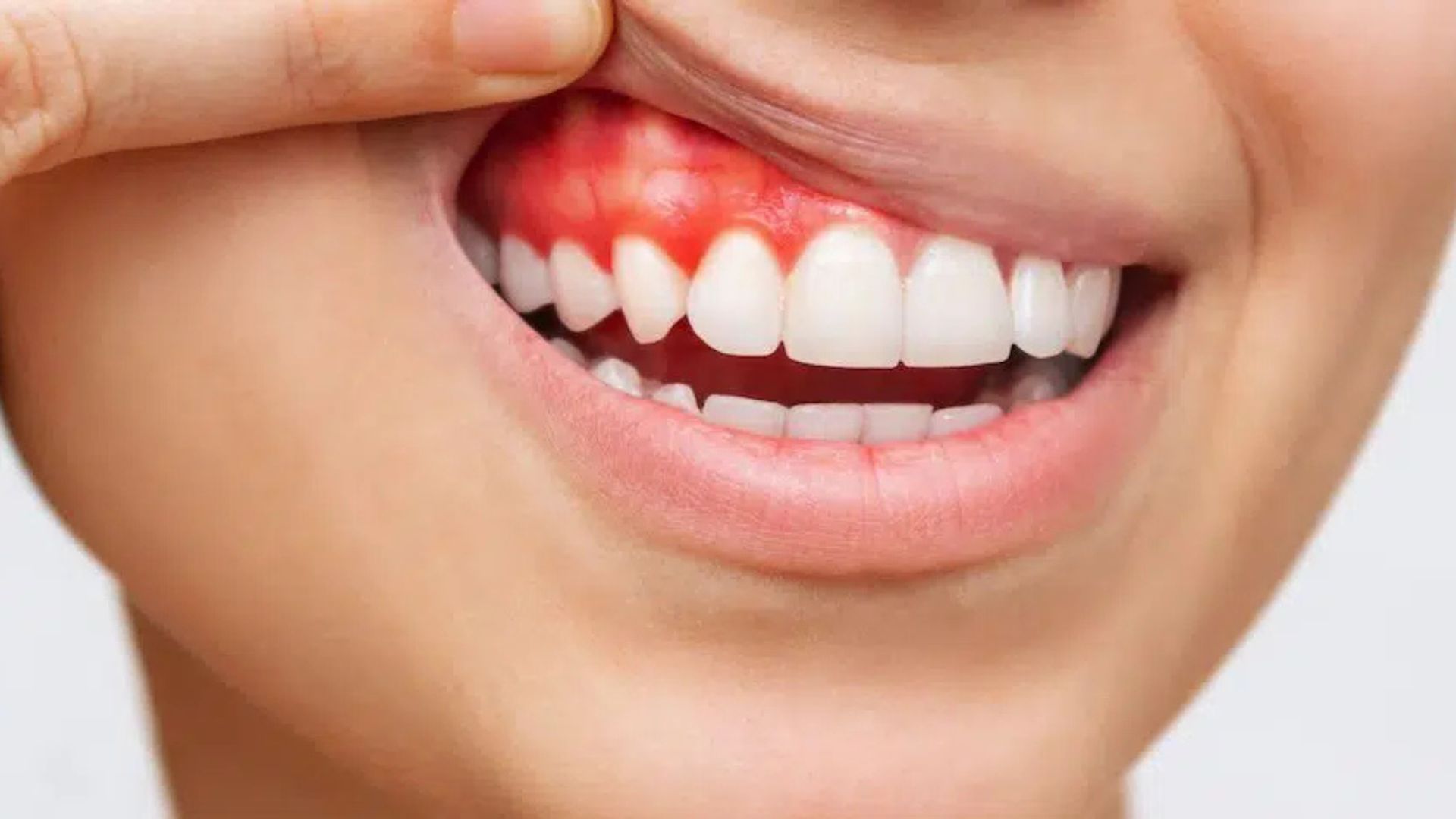
Bleeding gums while brushing is one of the most common early warning signs of gum disease, and it is not something you should dismiss or wait out. At Dillon Family Dentistry in Bryn Mawr, PA, Dr. David Dillon sees patients across the Main Line who initially ignored this symptom, only to develop more advanced periodontal disease that required deeper intervention. The good news: caught early, bleeding gums are highly treatable, and a professional cleaning combined with improved home care can turn things around quickly.
I have been practicing dentistry on Lancaster Avenue in Bryn Mawr for a long time, and I can tell you one thing with absolute certainty: bleeding gums are not normal. They are common, yes, but not normal. If you are noticing a pink tinge in the sink every time you spit out toothpaste, or if your gums feel tender and look a little puffy, your body is sending you a message. And as your family dentist on the Main Line, I want you to know exactly what that message means and what to do about it.
Bleeding gums while brushing are almost always a sign of gingivitis, the earliest and most reversible stage of gum disease. The longer answer involves understanding why it happens, what makes it worse, and how we treat it right here in Bryn Mawr, PA.
Why Are My Gums Bleeding When I Brush?
Gingivitis is the primary cause of bleeding gums when you brush them. Plaque is an accumulation of bacteria that grows on the gumlines, causing irritation to the softer tissue along those lines if it is not eliminated regularly. In response to this irritation, the body produces inflammatory cells that lead to the vulnerability of the tissues along the gumline. When these vulnerable tissues bleed, it is a sign that your body is working hard to remove the irritating bacteria from your mouth.
Here is what I see most often in my Bryn Mawr patients:
- Plaque buildup along the gum line that has hardened into tartar, which a toothbrush simply cannot remove
- Brushing too hard or too aggressively, which actually damages gum tissue rather than cleaning it
- Infrequent or absent flossing, leaving bacteria to thrive between teeth where your brush never reaches
- Hormonal changes from pregnancy, which can make gums more sensitive and reactive, a condition we call pregnancy gingivitis
- Certain medications, including blood thinners and some blood pressure drugs, affect gum tissue and clotting
- Starting a new flossing routine after a long break, which causes temporary bleeding that usually resolves within a week or two
The important distinction here is this: if your gums bleed every time you brush, week after week, that is a clinical signal, not just sensitivity. It means the underlying inflammation has not resolved and needs professional attention.
Early Signs of Gum Disease You Should Not Ignore
Gingivitis does not always hurt, and that is exactly what makes it so easy to ignore. But over on the Main Line, I see cases regularly where patients waited too long because they figured, it does not hurt, so it must be fine. By the time pain shows up, we are often dealing with periodontitis, the advanced form of gum disease that affects the bone and tissue supporting your teeth.
Here is what to look for beyond bleeding gums:
- Gums that look red, swollen, or darker than their usual healthy pink
- Gums that have pulled away from your teeth, making them look longer
- Persistent bad breath that does not go away after brushing
- Teeth that feel loose or have shifted slightly in position
- A bad taste in your mouth that keeps returning
If any of these symptoms ring a bell, I want to see you in the office. Even if you are not sure, come in. The earlier we catch gum disease, the simpler and less expensive the treatment.
Gum Disease Treatment and Deep Cleaning in Bryn Mawr, PA
The good news about gingivitis is that it is fully reversible. That is not just dental optimism; it is backed by decades of clinical evidence. When we remove the plaque and tartar causing the inflammation and you maintain consistent home care, the gums heal. Here is how we approach it at Dillon Family Dentistry:
Professional Dental Cleaning
For early gingivitis, a professional dental cleaning and teeth cleaning appointment, also called a prophylaxis, is often all that is needed. Our hygienist removes the tartar buildup that your brush cannot reach, polishes the surfaces, and walks you through technique improvements for home care. Many patients see a dramatic reduction in bleeding within two to four weeks.
Scaling and Root Planing (Deep Cleaning)
If the disease has progressed below the gum line, you may need scaling and root planing, which we refer to informally as a deep cleaning for gum disease. This is a non-surgical periodontal treatment where we clean the root surfaces below the gum line to remove bacteria and smooth the root so gum tissue can reattach. We use local anesthesia so you are comfortable throughout, and most patients are pleasantly surprised by how manageable it is.
Patients from Haverford, Ardmore, Villanova, and Rosemont regularly come to our East Lancaster Ave office for this treatment, and the results we see are genuinely gratifying. Most people notice significantly healthier, less puffy gums within weeks of treatment.
Ongoing Periodontal Maintenance
After treatment, we often recommend periodontal maintenance visits every three to four months rather than the standard six-month cleaning. This keeps bacteria levels low and catches any recurrence early. Think of it like changing the oil in your car: you do not wait until the engine fails to maintain it.
How to Stop Bleeding Gums at Home
While you are waiting to get into the office, or if you are in the very early stages of gingivitis, here are the things I recommend to my Bryn Mawr patients:
- Switch to a soft-bristled toothbrush. Medium or hard bristles are too aggressive on inflamed gum tissue.
- Brush twice daily using gentle circular motions along the gum line, not back-and-forth scrubbing.
- Floss every single day. Yes, it may bleed at first. That bleeding tells you exactly where the inflammation is. Keep going, gently.
- Rinse with an alcohol-free antibacterial mouthwash to reduce the bacterial load between brushing sessions.
- Rinse with warm saltwater once daily to soothe irritated gum tissue.
- Eat more vitamin C-rich foods like citrus, strawberries, and bell peppers, which support gum tissue repair.
- Cut back on sugary and processed foods, which feed the bacteria responsible for plaque formation.
- If you smoke, this is as good a reason as any to quit. Smoking masks gum bleeding and significantly accelerates gum disease.
I will be direct with you: home care helps, but it does not replace professional treatment. If your gums have been bleeding consistently for more than two weeks, the tartar causing the problem has hardened past what any toothbrush or mouthwash can address. You need a cleaning.
Why Bleeding Gums Matter Beyond Your Mouth
Here is something I always make sure my Main Line patients understand: your mouth is not separate from the rest of your body. The research linking periodontal disease to systemic health is substantial and growing. Gum disease has been associated with an increased risk of cardiovascular disease, diabetes complications, and adverse pregnancy outcomes.
Chronic oral infection creates a low-grade inflammatory burden that affects the whole body. When I treat gum disease in a Bryn Mawr patient, I am not just saving their teeth. I am potentially reducing their systemic inflammatory load. That is a meaningful health outcome, not just a cosmetic one.
If you have diabetes, in particular, gum disease can make blood sugar harder to control, and conversely, uncontrolled blood sugar worsens gum disease. The two conditions have a bidirectional relationship. More reason to address bleeding gums sooner rather than later.
Serving Patients Across Bryn Mawr and the Main Line
Our office sits right on East Lancaster Avenue in Bryn Mawr, PA 19010, a few minutes from Bryn Mawr Hospital and close to the Bryn Mawr Film Institute and the Bryn Mawr train station. Patients come to us from across Delaware County and Montgomery County for gum care, including families from Haverford, Wayne, Radnor, Ardmore, and Villanova.
We are a family dental practice on the Main Line built on three generations of dentistry. My grandfather practiced. My father practiced and mentored me. We believe in conservative, minimally invasive treatment, which means we are not going to recommend something you do not need. But if your gums are telling us something is wrong, we are going to listen and act.
We accept most dental insurance plans and offer flexible financing options, so cost is not a barrier to getting the care you need. New patients are always welcome, and we make every effort to accommodate your schedule.
Do Not Wait on Bleeding Gums: Call Dillon Family Dentistry Today
Bleeding gums are your gum tissue asking for help. The earlier you respond, the easier and less invasive the treatment. If you are in Bryn Mawr, Haverford, Ardmore, Villanova, or anywhere else on the Main Line and you have been noticing bleeding when you brush, I want to see you. Schedule a dental cleaning in Bryn Mawr, PA today, or call us at 610-981-1997. Healthy gums are not optional. They are the foundation of your entire smile and your overall health.
And if you have questions about dental insurance coverage or financing for gum disease treatment, our team is happy to walk through your options. Check out our dental financing page or our dental insurance information to learn more before your visit.
Frequently Asked Questions
1. Why are my gums bleeding when I brush my teeth?
Gums bleed while brushing because of several different factors. The most common reason is gingivitis, which occurs from the buildup of plaque along the gum line that causes inflammation in the gums. Other reasons why this may occur include brushing aggressively, beginning a new flossing routine, changing hormones, and medications such as blood-thinning medications. If you experience consistent bleeding each week over a period of time, then it would be beneficial to schedule an appointment with your dentist for evaluation.
2. Is it normal for gums to bleed a little when brushing?
Occasional light bleeding when you first restart flossing can be normal and usually resolves within a couple of weeks. But gums that bleed every single time you brush are not normal. Consistent bleeding is a sign of inflammation that should be examined by your dentist.
3. What is the difference between gingivitis and periodontitis?
Gingivitis describes a reversible (the initial or early phase) condition with inflammation limited to gum tissue, whereas in