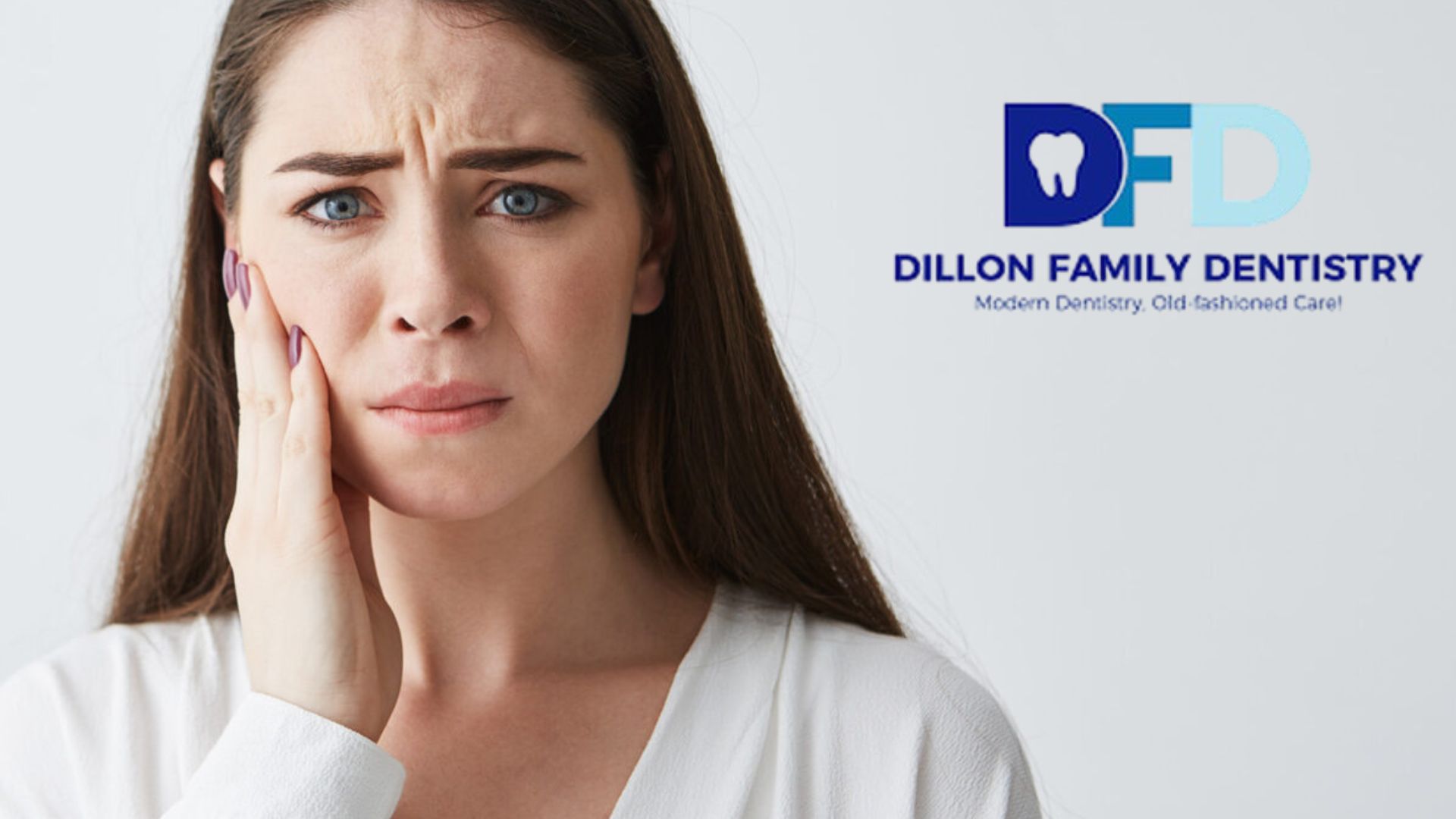
If you see that your face is puffy, especially under your jaw or on your cheeks, then this could be a cause for concern. If you also have pain in your teeth and there’s swelling of the face, you may need to see an emergency dentist near Bryn Mawr as soon as possible.
Each day, our office receives calls from patients throughout the Bryn Mawr area and its surrounding towns for help with their dental emergencies. If you are unsure whether your facial swelling is caused by a dental emergency, please consider these tips for identifying the cause of your swelling as well as determining whether urgent dental treatment is appropriate for you here in Bryn Mawr.
What Does Facial Swelling Tell You About Your Dental Health?
Facial swelling can often be an indicator of an underlying dental issue and can occur around the mouth, jaw line, and/or cheek area. Unlike allergic reactions, which cause generalized puffiness, dental-related facial swelling is usually localized to one side of the face and centered around the affected tooth or gum.
Common Dental Problems That Cause Facial Swelling
Infected Tooth: When bacteria penetrate deep into a tooth through cavities or cracks, infection can develop in the pulp and spread to surrounding tissues, creating noticeable swelling.
Dental Abscess: An abscess forms when infection creates a pus-filled pocket, usually at the root of a tooth or in the gum tissue. A dental abscess emergency produces distinct swelling, often accompanied by throbbing pain and a visible bump. This is especially concerning when there is pus present. Pus represents a strain of bacteria that your body does not have antibodies to effectively control it. If this infection spreads, your body doesn’t have the tools to stop the infection in your head, heart, around joints, basically anywhere in your body that your blood travels (Everywhere!!!!)
Periodontal Issues: Gum infections and advanced gum disease can trigger inflammatory responses that cause localized or widespread facial swelling around the jawline.
Wisdom Tooth Complications: Impacted or partially erupted wisdom teeth frequently become infected because they’re difficult to clean properly, resulting in substantial jaw swelling.
Dental Trauma: Injuries to teeth or the jaw from accidents or falls can cause immediate swelling and may indicate fractures or internal damage.
Recognizing Dental Infection Symptoms
Understanding what dental infections look like can help you decide when to seek professional care for facial swelling. Without treatment, infected teeth RARELY heal on their own and usually worsen rapidly.
Critical Symptoms That Require Immediate Attention
- Persistent throbbing pain that worsens when lying down
- Noticeable facial asymmetry or puffy cheeks
- Sharp pain when consuming hot or cold foods
- Fever alongside dental pain and swelling
- Swollen, tender lymph nodes in your neck or under your jaw
- Bitter taste or persistent bad breath
- Difficulty opening your mouth, chewing, swallowing, or breathing
When Does Facial Swelling Become a True Emergency?
Certain situations demand urgent professional evaluation from an emergency dentist in Bryn Mawr.
Situations Requiring Same-Day Emergency Care
Rapidly Progressing Swelling: Swelling developing or worsening over just a few hours indicates an aggressive infection needing immediate treatment.
Compromised Breathing: Any swelling affecting your ability to breathe normally is a medical emergency.
Swallowing Difficulties: When swelling makes swallowing painful or challenging, the infection may be spreading.
High-Grade Fever: Temperature above 101°F combined with facial swelling suggests systemic infection.
Uncontrolled Pain: Severe pain not relieved by over-the-counter medications indicates advanced infection.
Eye Area Involvement: Swelling extending toward your eye or affecting vision requires immediate attention.
Conditions Needing Prompt Care Within 24 Hours
- Moderate swelling with manageable pain
- Gradual swelling development over several days
- Previous dental work showing signs of infection
- Mild fever with localized dental discomfort
Facial Swelling Dental Infection Development
A dental infection that causes facial swelling generally has the same development pattern. In most cases, bacteria enter a tooth by means of decay or fracture. Once the bacteria are introduced into the tooth’s inner area (the pulp), they will begin to increase in number in the pulp area, where the nerves and blood vessels are located.
The progression of the dental infection results in increased pressure within the tooth and the extension of the inflammatory process into the surrounding bone and soft tissue. Your body’s immune system will produce white blood cells in order to fight the bacterial infection, and the result is pus, which collects into the formation of an abscess. Without the appropriate medical intervention, the infection can spread into the surrounding facial tissues and neck area.
Because of these reasons, when a patient is seeking emergency dental treatment for a dental infection that causes facial swelling, the first priority will be to eliminate the source of the infection, drain the pus, and limit the ability of the infection to spread further.
Home Management While Awaiting Professional Care
If you’ve scheduled an appointment for urgent dental care in Bryn Mawr, these strategies can help manage discomfort temporarily.
Safe Temporary Relief Measures
Cold Therapy: Apply ice packs wrapped in a thin towel to the affected cheek for 15-minute intervals to reduce inflammation.
Head Elevation: Sleep with your head propped up on extra pillows to minimize swelling.
Saltwater Rinses: Mix half a teaspoon of salt in eight ounces of warm water and gently rinse several times daily.
Pain Management: Use over-the-counter pain relievers as directed. Ibuprofen addresses both pain and inflammation. A regimen of 2 Tylenol (acetaminophen (easy-for-you-to-say)) and 2 Advil (ibuprofen) is as good as any prescription item we can prescribe.
Hydration: Drink plenty of room-temperature water.
Soft Diet: Stick to soft, nutritious foods that don’t require extensive chewing.
Important Precautions
- Never apply heat to swollen areas
- Avoid attempting to drain swelling yourself
- Don’t ignore worsening symptoms
- Skip alcohol and tobacco
- Contact your dentist immediately if symptoms deteriorate
What to Expect During Emergency Dental Treatment
A dental abscess emergency at Dillon Family Dentistry will be treated following a defined protocol. Here are the aspects of our protocol for your visit for a dental abscess.
Emergency Care Procedures
- Initial Assessment – This consists of obtaining detailed information about your symptoms and a thorough evaluation of the infected area to locate the source of the infection.
- Imaging Tests – X-rays will be taken to help determine the severity of the infection, if present, and to locate any abscesses.
- Establishing Immediate Relief – Draining will provide immediate pressure relief from dental abscesses.
- Treating the Source – Treatment consists of root canal treatment to save the teeth that have been infected, extraction of the severely damaged teeth, or deep cleaning in order to treat gum infections.
- Antibiotics and Prescription Pain Medications – Antibiotics help eliminate the bacterial infection, and prescription medications provide comfort during this process.
- Follow-Up Appointment – After successful initial treatment, we will schedule the patient for follow-up visits to monitor their progress and provide necessary follow-up treatments.
Preventing Future Dental Emergencies
THIS IS HUUUGE!
Prevention strategies can help you avoid dental infections and facial swelling.
Essential Prevention Practices
- Maintain consistent brushing and flossing habits
- Schedule regular dental checkups at Dillon Family Dentistry
- Address minor dental issues promptly
- Protect teeth during sports with mouthguards
- Limit sugary foods and acidic beverages
- Don’t use teeth as tools
- Never ignore persistent sensitivity or discomfort
Why Choose Dillon Family Dentistry
When dental emergencies strike in Bryn Mawr, Dillon Family Dentistry offers:
- Prompt emergency appointments
- Comprehensive care in one location
- Advanced diagnostic technology
- Experienced dental professionals
- Patient-centered, no-pressure, compassionate approach
- Convenient Bryn Mawr location
Take Action Now: Your Health Can’t Wait
Professional intervention is almost always necessary for dental-related facial swelling to improve (dental-related facial swelling usually doesn’t get better without intervention). If you suspect that you may have a dental infection or if you are uncertain if it is severe enough to warrant treatment, it’s better to be safe than sorry.
Don’t allow yourself to be in a worse situation before seeking help. If you have facial swelling, dental pain, or any signs of dental infection, please do not hesitate to contact Dillon Family Dentistry for assistance.
As your trusted emergency dentist in Bryn Mawr, we will always be available for you when you need us most.
Frequently Asked Questions
An emergency dentist can typically be the best option for people who have dental-related facial swelling since they have the expertise and tools to address the underlying cause of the infection. If you experience rapid or worsening facial swelling and have difficulty breathing, swallowing, or have a significant fever, it is best to seek emergency medical treatment. The ER may offer treatment for your symptoms, but it won’t be able to solve the underlying dental problem.
A dental infection can rapidly spread to the face from the mouth in under 24 hours. Certain aggressive forms may produce noticeable swelling of the face within a few hours of infection. Given that each case’s timing will differ, prompt dental treatment is essential for the most positive outcome.
If tooth swelling goes untreated, the bacteria from the infected tooth can spread to the surrounding facial tissues and even into the bloodstream. If this occurs, a person may experience loss of bone and/or teeth, serious infections, and possibly even DEATH as a result of complications from untreated dental infections. Without proper treatment from a dental professional, dental infections will not heal on their own.
Antibiotics can temporarily reduce infection and swelling, but they cannot remove the infected tissue or drain the abscess. Without dental treatment, the infection will return once the medication stops because you haven’t treated the CAUSE of the infection.
Signs of a worsening infection include increasing facial swelling, spreading pain, fever, difficulty opening your mouth or swallowing, and feeling weak or unwell. These symptoms require immediate dental or medical attention.
Yes. If left untreated, dental infections can spread through the bloodstream or neck spaces, affecting breathing and overall health. In rare cases, they may impact the heart, brain, or lungs.
The cost depends on the treatment needed, such as drainage, root canal therapy, or extraction. At Dillon Family Dentistry, we work with most insurance plans and offer payment options to make emergency care accessible.
Yes. A dentist can treat facial swelling by addressing the infection source through drainage, antibiotics, and root canal treatment or extraction. Most patients notice improvement within 24–48 hours after treatment begins.