Invisalign and Vivera retainers typically last 1 to 3 years with consistent nightly wear, though cracks, warping, or a loose fit can shorten that timeline significantly. Dr. David Dillon of Dillon Family Dentistry in Bryn Mawr, PA, explains the warning signs, what shortens a retainer’s lifespan, and when it’s time to order a replacement.
Most Invisalign retainers, including the Vivera retainers we often provide after treatment, hold up well for one to three years with consistent nightly wear. Some patients get four or five years out of a well-cared-for retainer. Others need a replacement in six months because they cracked, warped from heat, or simply stopped fitting the way it used to. If your retainer feels loose, looks cloudy, or you honestly can’t remember the last time you wore it every night, it’s time to talk about a replacement before your teeth start drifting.
I’ve been practicing dentistry here on the Main Line long enough to see this play out the same way over and over. Patients finish Invisalign treatment thrilled with their new smile, wear their retainer faithfully for the first year, and then life gets busy. A retainer gets left in a gym bag, a hot car, or a napkin at a restaurant. By the time they come back in for a checkup, the retainer either doesn’t fit anymore or it’s cracked down the middle. This guide walks through how long Invisalign retainers really last, what shortens that lifespan, the signs that tell you it’s time for a new one, and what your options are if you need a replacement here in Bryn Mawr.
How Long Do Invisalign Retainers Actually Last?
There isn’t one single answer, because retainer lifespan depends heavily on how you use it, not just what it’s made of. As a general rule, I tell my patients to expect the following:
- Nightly wear only, taken out during the day: one to three years before you’ll likely need a replacement.
- Part-time wear, a few nights a week: often two to four years, though the fit can loosen gradually without you noticing.
- Full-time wear early on, tapering to nights only: similar to the first scenario, with slightly more wear on the plastic early in the process.
Vivera retainers, which are made by the same lab that manufactures Invisalign aligners, tend to be more durable than the thinner clear retainers some offices use. That extra durability doesn’t make them indestructible. Heat, grinding, and rough handling will wear down even the toughest retainer material well before its expected lifespan runs out.
What Affects How Long Your Invisalign Retainer Lasts
A few factors make the biggest difference in whether your retainer lasts eighteen months or four years.
Wear Schedule
A retainer worn every single night lasts longer, ironically, than one that gets forgotten and then worn inconsistently, because inconsistent wear puts uneven pressure on the plastic as your teeth shift slightly between wears.
Nighttime Grinding or Clenching
If you grind your teeth at night, your retainer is absorbing that force. I see far more cracked retainers in patients who clench than in patients who don’t, and I’ll usually flag this during a checkup if I notice wear patterns.
Heat Exposure
Clear plastic retainers warp at temperatures most people don’t think twice about, including a hot car dashboard, a dishwasher, or boiling water used to “clean” them. Warm water only, never hot.
Cleaning Habits
Retainers that go uncleaned build up plaque and bacteria that can make the plastic brittle over time, on top of the odor issue.
Storage
A retainer left loose in a pocket or napkin gets crushed, lost, or chewed by a pet more often than you’d expect. I’ve replaced retainers for exactly this reason more times than I can count.
Signs You Need a New Invisalign Retainer
Here are the signs I look for during checkups and the ones you can watch for yourself between visits.
- It feels loose or doesn’t snap into place the way it used to. This is usually the first sign, and it often means your teeth have shifted slightly, which makes replacing the retainer more urgent, not less.
- You notice new gaps, crowding, or a tooth that feels different when you bite down. Even small shifts add up quickly once a retainer stops doing its job.
- Visible cracks, chips, or a hole starting to form. A cracked retainer won’t hold your teeth in position reliably, and a small crack becomes a full break faster than most people expect.
- The plastic looks cloudy, yellowed, or warped. Cloudiness usually means the material has degraded from wear, cleaning products, or heat exposure.
- A persistent odor that doesn’t go away after cleaning. This usually signals that bacteria have worked their way into small cracks in the plastic that aren’t always visible to the eye.
- It’s been two to three years since your last retainer, even if it still technically fits. Plastic degrades gradually, and a retainer that still feels fine can be far less effective than a new one.
- You’ve lost track of your retainer or misplaced it for an extended period. Even a short gap without a retainer, especially in the first two years after Invisalign treatment, gives your teeth room to shift.
If two or more of these sound familiar, it’s worth scheduling a visit rather than waiting for your next routine cleaning.
Worn Out or Cracked Retainer? What to Do Next
If your retainer has cracks or an improper fit, or if you have neglected wearing it for several nights, do not delay. The teeth can shift only a couple of days after the retainer is not worn, especially since you finished your treatment with Invisalign only one or two years ago. I’d rather see the patients in my office sooner for a check-up of the retainer than wait for several months for them to learn that their retainer no longer works.
Normally, getting a new retainer is a very simple process. In the office, we perform a digital scan of your teeth and send it to the technician to create a new retainer. If your teeth have moved more than anticipated, I will discuss with you whether a regular retainer will work for you or if you will require some movement of the teeth prior to getting the new appliance. I never create any pressure concerning discussing the procedure; my aim is to return the smile to its stable position.
Vivera Retainers vs. Standard Clear Retainers
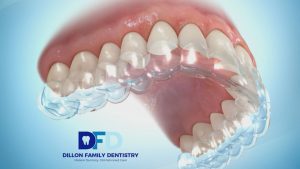
Patients frequently inquire about the necessity of having Vivera retainers or whether any other form of clear retainer will suffice instead. Vivera retainers are made by Align Technology, the same company that invented Invisalign, using thicker and more robust plastic material than most regular retainers. They are custom-created from digital scanning images, come packaged in a set of many retainers instead of just one, and are known to retain their shape better than most other retainers.
Standard clear retainers, sometimes called Essix retainers, are thinner and generally less expensive, but they wear out faster and are more prone to cracking, particularly for patients who grind their teeth. For patients who finished Invisalign treatment with us and want the closest match to their original aligners, Vivera is usually the better long term value, even with a higher upfront cost, because you’re less likely to need a replacement within the first year.
How Often Should Invisalign Retainers Be Replaced?
As a baseline, I recommend that most patients plan on replacing their retainer every one to three years, sooner if any of the warning signs above show up first. Teenagers and younger patients often need replacements more frequently since their bite and jaw are still settling, and a retainer that fit perfectly at fifteen may need adjusting by seventeen. Adult patients who wear their retainer consistently and take care of it often stretch that timeline closer to three or four years.
I’d rather set this expectation upfront than have a patient assume a retainer is a one time purchase. Think of it the way you’d think of a mouthguard or a pair of glasses. It’s a piece of custom dental equipment that does its job well for a while, then needs to be remade as your mouth and habits change.
What a New Invisalign Retainer Costs in Bryn Mawr
Replacement retainer costs vary depending on whether you need a single retainer or a full Vivera set, and whether any additional scanning or minor adjustment is needed first. During your visit, we’ll walk through the exact cost for your situation before any work is done, so there are no surprises. Many patients use their dental insurance benefits toward a replacement retainer, and we also offer flexible financing options for patients who’d rather spread the cost out. My office will always give you the number upfront so you can decide what makes sense for your budget.
How to Make Your Next Retainer Last Longer
Once you’ve got a new retainer in hand, a few simple habits go a long way toward stretching its lifespan back out to that two- to three-year range.
- Rinse it with lukewarm water every morning before putting it back in its case, and clean it a few times a week with a soft toothbrush and clear antibacterial soap or a retainer cleaning tablet. Skip toothpaste, since the abrasives in most pastes create tiny scratches that trap bacteria and cloud the plastic faster.
- Keep it in its case any time it’s out of your mouth. A napkin at a restaurant table is the single most common way I see retainers get thrown away by accident.
- Never leave it anywhere hot, including a car’s cup holder in summer, a sunny windowsill, or the dishwasher. Warm tap water is the upper limit for cleaning temperature.
- Bring it to your regular dental visits. I check retainer fit at routine cleanings anyway, and catching a small crack or early warping before it becomes a bigger problem is a lot easier than dealing with a snapped retainer the night before you need it.
Getting a New Retainer at Dillon Family Dentistry in Bryn Mawr, PA
Our office at 1084 E Lancaster Ave in Bryn Mawr has been making retainers for patients across the Main Line for years now, including families from Haverford, Ardmore, Wayne, Villanova, and Radnor. If you finished your Invisalign treatment with our office or somewhere else, we can take a fresh scan, evaluate your current bite, and get a new retainer ordered without you needing to redo any orthodontic treatment in most cases.
If it’s been a while since your last checkup, or you’re not sure whether your current retainer is still doing its job, that’s exactly what a quick visit is for. I’d rather check a retainer that turns out to be fine than have a patient assume everything is fine and find out otherwise a year later when their bite has shifted. You can learn more about our approach to care on my page here, and when you’re ready, reach out to our Bryn Mawr office or call us at 610-580-2708 to schedule a retainer check.
A retainer is a small piece of plastic, but it’s the thing standing between the smile you worked for and years of slow, quiet shifting. If yours is cracked, loose, cloudy, or just old enough that you’re not sure it’s still doing its job, don’t wait for it to fail completely. Give our Bryn Mawr office a call, and we’ll get you back into a retainer that fits the way it should.
Frequently Asked Questions
1. How long do Invisalign retainers last?
Most Invisalign and Vivera retainers last one to three years with consistent nightly wear. Some patients get four to five years out of a well-maintained retainer, while cracked or poorly stored retainers may need replacing in under a year.
2. How often should Invisalign retainers be replaced?
As a general guideline, plan on replacing your retainer every one to three years, or sooner if it feels loose, looks cloudy, or has any visible cracks. Teenagers and younger patients often need replacements more frequently than adults.
3. What are the signs you need a new Invisalign retainer?
The most common signs are a loose or ill-fitting retainer, visible cracks or chips, cloudy or warped plastic, a persistent odor after cleaning, and noticeable shifting in your teeth. If you notice two or more of these, it’s time for a checkup.
4. Can I still wear a cracked or chipped Invisalign retainer?
Wearing a cracked retainer isn’t recommended, since it can no longer hold your teeth in their current position reliably, and the crack will likely worsen with continued use. It’s best to schedule a replacement as soon as you notice damage.
5. What’s the difference between Vivera retainers and standard clear retainers?
Vivera retainers are made by Align Technology from a thicker, more durable plastic and come in a multi-retainer set, while standard clear retainers (sometimes called Essix retainers) are thinner and typically less expensive but wear out faster.
6. How much does a replacement Invisalign retainer cost?
Cost depends on whether you need a single retainer or a full Vivera set, plus any scanning involved. We provide an exact quote during your visit, and many patients apply dental insurance or in-office financing toward the cost.
7. Will my teeth shift if I stop wearing my retainer?
Yes. Teeth can begin shifting within days of inconsistent retainer wear, particularly in the first one to two years after finishing Invisalign treatment. Consistent nightly wear is the best way to protect your results.
8. Can I get a new retainer without redoing Invisalign treatment?
In most cases, yes. If your teeth haven’t shifted significantly, we can simply take a new digital scan and order a replacement retainer. If shifting has occurred, we’ll discuss whether minor tooth movement makes sense before making the new retainer.
9. How do I clean my Invisalign retainer to make it last longer?
Rinse it with lukewarm water daily, clean it a few times a week with a soft toothbrush and clear antibacterial soap or a retainer cleaning tablet, and avoid toothpaste, hot water, and direct heat, which all shorten a retainer’s lifespan.
10. Where can I get a new Invisalign or Vivera retainer near Bryn Mawr, PA?
Dillon Family Dentistry, located at 1084 E Lancaster Ave, Suite 103 in Bryn Mawr, PA, provides retainer checks and replacements for patients throughout the Main Line, including Haverford, Ardmore, Wayne, Villanova, and Radnor. Call 610-580-2708 to schedule a visit.