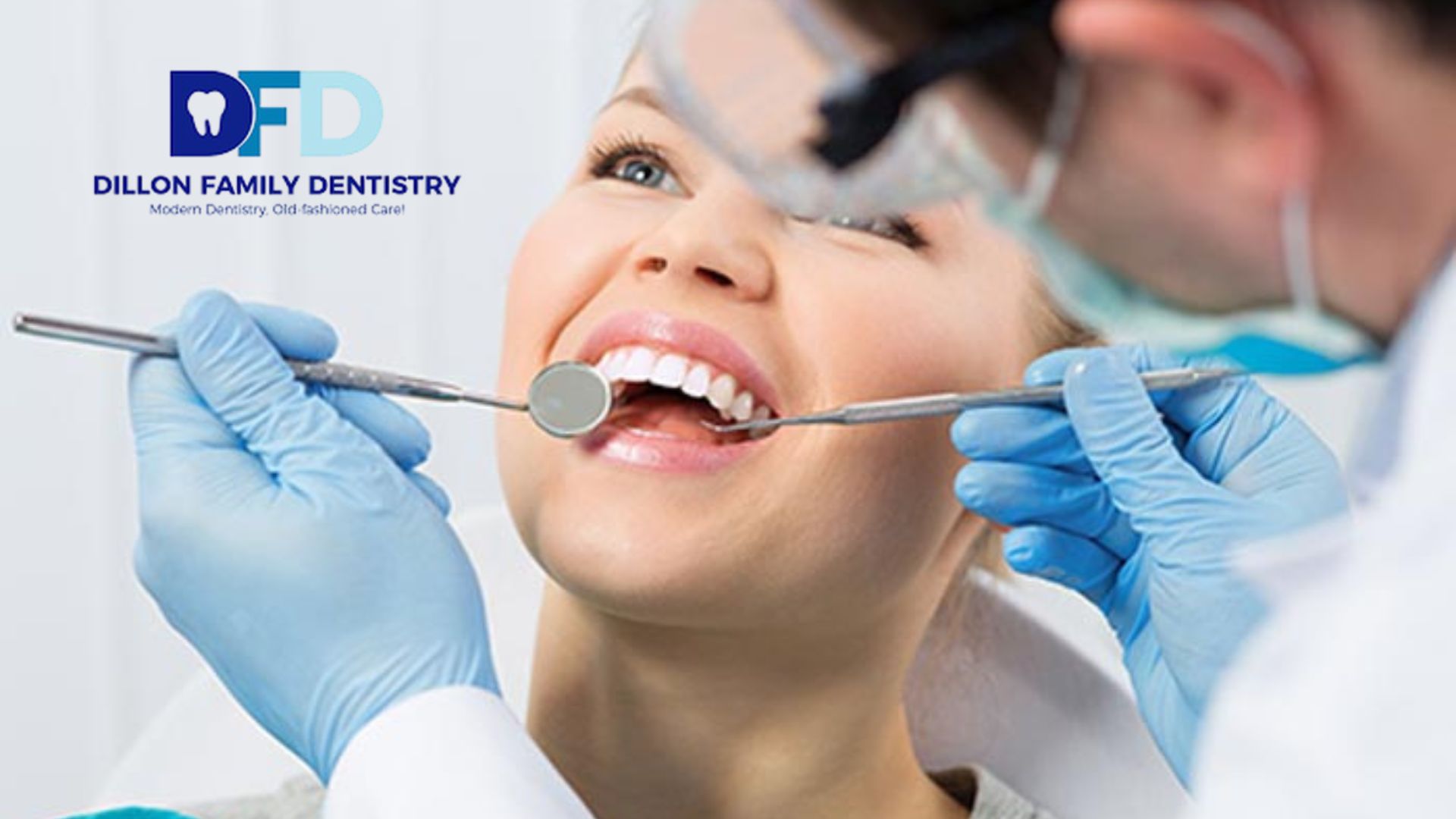
For many individuals in Bryn Mawr and the surrounding Main Line area, choosing dental implants is a significant decision that can greatly improve their quality of life by restoring their natural-looking smile and increasing self-confidence. Furthermore, after dental implant treatment is complete, many patients ask what steps are necessary to maintain the long-term health of their implants. Regular dental check-ups remain essential for dental implant patients in Bryn Mawr, helping ensure lasting oral health, a confident smile, and continued self-esteem.
At Dillon Family Dentistry, we often remind patients that implants don’t end with surgery. Ongoing care is what helps them stay strong, comfortable, and successful long-term.
Why Dental Checkups Matter After Dental Implants
The durability of dental implants is built into their design; however, they require regular maintenance. While dental implants do not have the ability to develop cavities like natural teeth, the surrounding gums and bone can still become diseased if not frequently checked.
Routine dental checkups of Bryn Mawr patients allow us to:
- Check gum health around the implant
- Monitor bone stability and bone density
- Ensure the implant crown fits and functions properly
- Catch early signs of inflammation or infection
These visits help protect your investment and reduce the risk of complications that can develop quietly over time.
Dental Implants Bryn Mawr Patients: What We Look for During Checkups
Every implant checkup includes a detailed evaluation. During your visit, we focus on several key areas:
Implant Maintenance and Gum Health
Healthy gums are essential for implant success. We look for redness, swelling, or bleeding – early signs that can indicate inflammation around the implant.
Oral Exams and Bite Evaluation
Your bite can change slightly over time. Through regular oral exams, we make sure your implant crown isn’t taking too much pressure, which can affect comfort and longevity.
Bone Support and Stability
A strong bone keeps implants secure. Periodic imaging allows us to assess bone density and ensure the implant remains well-supported.
This proactive approach helps implants placed years ago continue to function like natural teeth.
How Checkups Support Implant Recovery and Healing Stages
The recovery process is very important for patients who will be getting implants. Follow-up appointments are crucial for patients with new implants as they will heal through four stages, so the doctor can monitor the patient at each stage of the recovery process and ensure the implant integrates into the patient’s jawbone correctly.
Regular visits allow us to:
- Track healing stages
- Confirm the implant is bonding correctly
- Address discomfort or swelling early
- Adjust care instructions as needed
Patients who attend scheduled checkups tend to heal more smoothly and confidently.
What Happens If You Skip Dental Checkups?
Missed appointments won’t create complications immediately; however, issues can develop over time without any symptoms to warn us. When dental appointments are missed, early minor bone loss can progress, and without regular professional cleanings, the underlying bone may weaken over time, leading to reduced support and instability of the teeth.
In many cases, early routine intervention helps reduce future expenses and prevent complications. Prevention is always easier than repairing damage.
Trusted Dental Implant Care in the Main Line
At Dillon Family Dentistry, we support patients throughout Bryn Mawr and the Main Line with comprehensive implant care, from planning to long-term maintenance. Our experience with dental implants in Main Line, PA, allows us to deliver thoughtful, patient-focused care at every stage.
Patients often tell us they appreciate our clear communication, gentle approach, and attention to detail. We believe peace of mind is just as important as clinical success.
Protect Your Smile for the Long Run
Dental implants are a long-term solution, but their success depends on consistent care. If it’s been a while since your last visit, or if you want to ensure your implants are on track, we’re here to help.
Frequently Asked Questions
Most patients benefit from checkups every six months. Some may need more frequent visits based on health history or implant placement.
Yes. While regular dental visits include standard cleaning and exams, implant visits focus more on gum health, bone support, and implant stability.
Implants need thorough care, both at home and professionally. Our team provides personalized implant maintenance guidance based on your needs.
Absolutely. For patients considering implants, checkups help assess implant eligibility, including bone density, gum health, and overall oral condition.
Skipping routine dentist visits could cause dental implants to fail in the future due to undiagnosed problems such as gum disease, bone loss or improper bite alignment that may develop over time but do not present symptoms until it is too late for treatment. Routine dental appointment visits allow dentists to detect these issues early on before they become too serious for your dental implant to remain successful in the long-term.
Gums show reddening; there may be bleeding near the dental implant; discomfort while chewing; the impression that dental implant crowns might be loose immediately upon installation. Most patients do not exhibit pain until much later. Regular visits to the dentist in Bryn Mawr are important for early identification of these issues.
Yes. Regardless of how great home-care practices are, you will still require professional cleanings in order to remove any hardened plaque that may have built up on and under the gums surrounding your dental implants. In addition, your dentist has special instruments specifically designed to safely clean your dental implants without causing any harm to them.
Yes, despite not being at risk of developing cavities, implants can suffer from peri-implant diseases, which resemble gum disease in that they also result in bone loss and increased possibility of failure of the implant if untreated. Regular visits to the dentist can help to prevent and manage this type of condition.
It can occur, but it should not be overlooked. Discomfort or pressure could signify problems with bite alteration due to tooth wear or possible root/bone problems. A dental examination will enable the dentist to evaluate and diagnose the cause and make the necessary changes before complications increase.