
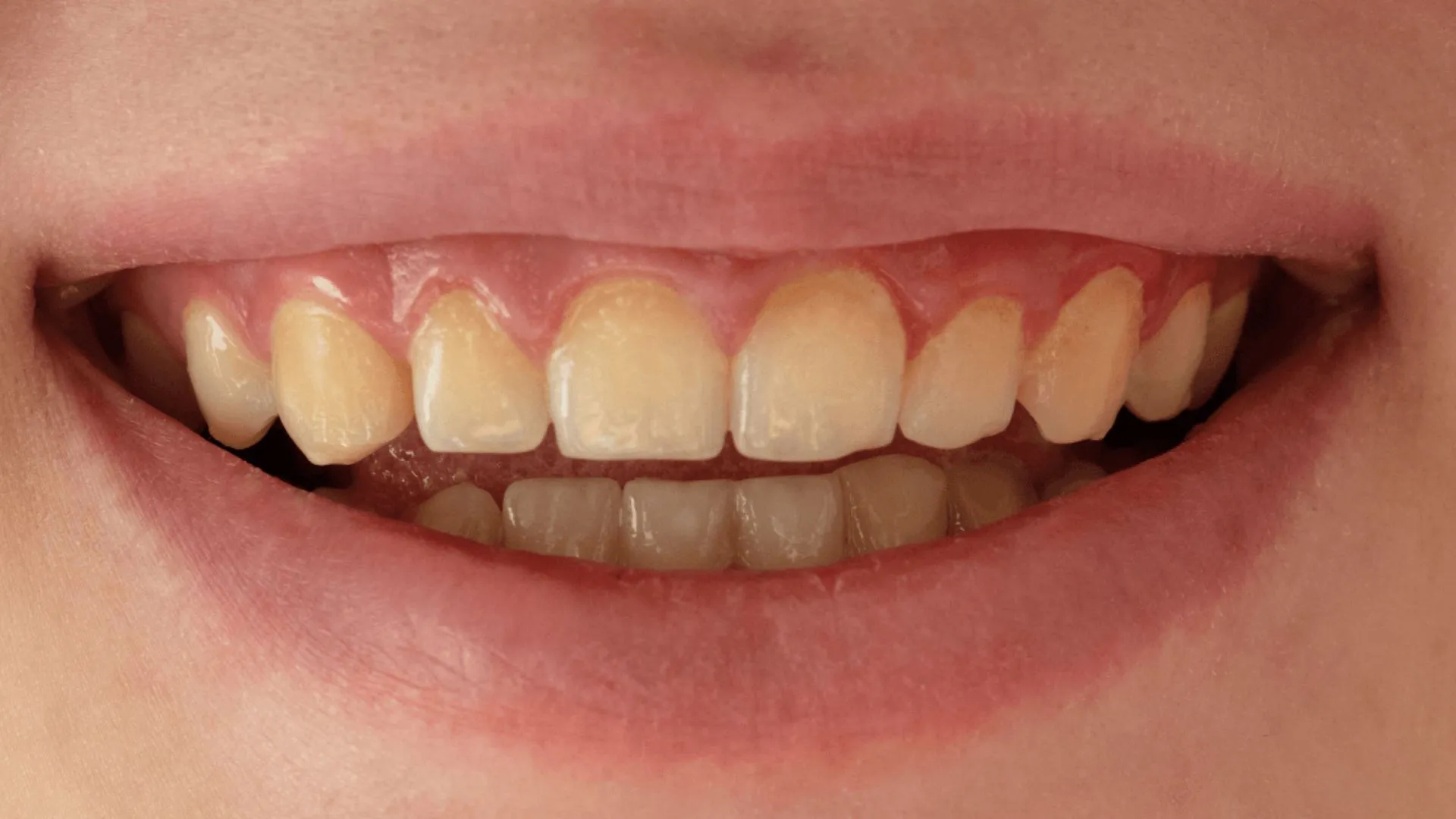
Brushing twice a day is essential, but it is not always enough to keep teeth white, and if you are frustrated by persistent yellow teeth despite a consistent oral hygiene routine, you are asking exactly the right question. Dr. David Dillon at Dillon Family Dentistry on East Lancaster Avenue in Bryn Mawr, PA, explains why teeth yellow even with diligent brushing, breaking down the difference between surface stains and structural discoloration, and walking through every treatment option available to Main Line patients who want a genuinely brighter smile.
Let me start with something I tell patients all the time at our Bryn Mawr office: brushing your teeth is not the same as whitening your teeth. These are two distinct actions with two distinct purposes, and confusing them leads to a lot of unnecessary frustration. Brushing removes plaque, bacteria, and fresh food debris. It maintains oral health. What it does not do, and was never designed to do, is reverse the deep staining and structural discoloration that accumulates in tooth enamel over months and years of daily life.
If you are brushing twice a day diligently with fluoride toothpaste and your teeth are still yellow, you are not doing anything wrong. You are just dealing with causes that a toothbrush cannot reach. This guide walks through every one of those causes, explains exactly why they produce yellow teeth, and covers every treatment option available to patients across the Main Line, from Bryn Mawr and Haverford to Ardmore and Villanova.
The Fundamental Distinction: Extrinsic vs. Intrinsic Tooth Stains
Before we can talk about causes, we need to establish this foundational distinction because it determines everything about which treatments actually work.
Extrinsic Stains: The Surface Layer
Extrinsic stains form on your tooth’s outer layer, the enamel, as colored materials from foods and drinks (and tobacco) bond to the enamel’s surface layer over time, eventually working their way into the microscopic structure of the enamel. Most extrinsic stains have a yellow, brown, or orange color to them and can be cleaned and whitened through some form of professional cleaning and/or whitening process. Although there is a professional element to the cleaning and/or whitening processes for removing extrinsic stains, most extrinsic stains have penetrated deeply enough into the enamel that the average person cannot remove them with a toothbrush and regular toothpaste; therefore, your normal brushing alone has been unable to resolve your extrinsic stain issue.
Intrinsic Stains: Inside the Tooth Structure
Intrinsic stain is an internal tooth stain that may come from within the tooth through its dentin layer, which sits below the enamel, or may have formed a “baked-in” stain by being there while the enamel was forming. Intrinsic stains cannot be removed by brushing or through conventional whitening methods. Common causes of intrinsic stains include taking tetracycline antibiotics in childhood, having dental fluorosis, suffering trauma that caused bleeding inside the tooth, age-related changes to aging dentin that have caused more yellow to be seen, and a select number of medical conditions. Because intrinsic stains are often a resultant product of internal factors requiring porcelain veneers (or other potential cosmetic restorations) rather than just whitening, it is important to know which one you have in order to design a proper cosmetic dental treatment plan.
The first step to making the proper recommendation for treatment comes after you have been evaluated by our team as to your current tooth discoloration or stain condition. To receive a whitening evaluation at our Bryn Mawr office, we will first determine whether you have an intrinsic or extrinsic discoloration/stain.
Eight Real Reasons Your Teeth Are Yellow Despite Daily Brushing
1. Coffee, Tea, and Red Wine: The Everyday Culprits
Based on my experience with patients throughout the Main Line area, I have identified three types of beverages that commonly result in teeth becoming discolored (yellow): coffee, black tea, and red wine. These drinks contain tannins (naturally occurring components from plants), which leave a sticky residue on tooth enamel. Because of this stickiness, chromogens (the actual “pigments” in the food), cling and attach themselves to the surface of the teeth. Red wine causes further discoloration due to its combination of both tannins and chromogens, plus naturally occurring acids; this acid softens the enamel for a period of time after consumption, which enables more chromogens from red wine to attach to tooth surfaces extremely well.
Staining from these beverages tends to be extrinsic in nature, meaning it stays on the surface of the teeth and can be easily removed by an oral hygienist; however, brushing alone will generally not remove this staining, as the pigment molecules have chemically combined with the surface of the teeth. Through professional cleaning and whitening services, dental professionals are able to help their patients where brush wear bears no significance by breaking the chemical bonds formed between the pigment and the alveolus and, therefore, enabling removal of the stain.
2. Tobacco: The Most Aggressive Staining Agent
Dentistry sees the worst yellow and brown staining from cigarettes and other tobacco products because nicotine and tar stain teeth very badly. Unlike staining from food and drink, the particles from tobacco penetrate deep into the enamel and reach the dentin layer of the tooth, which is why tobacco users find their stains resistant to whitening, regardless of how many times they have whitened their teeth. Additionally, chewing tobacco causes similar and often greater amounts of staining within the surfaces of the teeth than smoking does.
From a cosmetic perspective, using tobacco can also exacerbate gum recession and bone loss, which exposes a naturally darker root surface to the tooth, thereby creating a shade of discolouration that cannot be addressed with whitening. Therefore, if you smoke and want to have a whiter smile, the reality is that quitting smoking combined with whitening treatment will provide much better results than just whitening alone.
3. Thinning Enamel With Age
This is one of those things that throws people when they hear about it – yellowing from intrinsic (inside) factors. Your enamel (the outer layer that protects your teeth) is not a static substance; while it is considered “the hardest material on Earth” (as per dentist Dr. Thomas Bock), it continues to be ground away through regular daily wear-and-tear due to chewing, mild acids found in many foods and drinks, and also as a natural process of aging. With the enamel becoming thinner over time, the dentin (which has a natural yellowish tint) is able to shine through more easily. This change will occur regardless of whether you have maintained good oral health/ hygiene.
Many individuals (both patients and dentists) have witnessed this phenomenon firsthand; I have seen many patients who diligently perform proper brushing habits two times per day since adulthood, and at some point in their lives, find themselves sitting across the table from me in Bryn Mawr saying, “Why did my teeth become so yellow?” What they don’t realize is that the issue they are experiencing is due to biology, not behavior. There is good news, though; professional whitening treatment will work very well for this type of discoloration because it affects the chromogens that exist within the dentin underneath the enamel.
4. Dietary Acids and Enamel Erosion
Acidic foods and drinks such as lemon, soda, sports drinks, and sparkling water do not directly stain teeth, but they do make the enamel temporarily softer and more porous, making them more prone to being stained by any pigmented food or drink consumed shortly afterwards. When teeth are exposed to acids repeatedly, there will be a gradual erosion of the enamel, which leads to the natural thinning of the enamel layer and creates a rough surface for staining molecules to attach to easily.
Patients seeking preventative dental care in the Main Line area who are health-conscious and consume excessive amounts of citrus, kombucha, or sparkling water are often shocked to discover how these products they’re consuming can contribute to their teeth becoming yellowed. Rinsing your mouth out with water immediately following acidic consumption and waiting at least 30 minutes to brush your teeth can lessen any erosive effect that the acidic foods and beverages have had on your teeth.
5. Certain Medications
Several medication categories are known to cause tooth discoloration. Tetracycline antibiotics, when taken during the years when permanent teeth are developing, from before birth through approximately age 8, can cause a characteristic gray-brown banding pattern that is deeply intrinsic and among the most challenging types of discoloration to treat. Antihistamines, antipsychotic medications, and some blood pressure medications have also been associated with discoloration. Chlorhexidine mouth rinses, while excellent for gum disease treatment, produce surface staining with long-term use that requires professional removal.
If your yellowing has a gray or blue-gray tone rather than a pure yellow, medication-related intrinsic discoloration is worth discussing with your dentist. This type of staining typically requires veneers rather than whitening for optimal correction.
6. Genetics and Natural Enamel Thickness
There are people who have thinner enamel (outer coating of teeth) or naturally yellower dentin (inner coating) than others. It is hereditary, and no amount of brushing or changes to diet will alter it. Patients who come from families with genetically thinner enamel are going to look at least somewhat yellower than individuals of the same age with similar lifestyles, and they will typically go through the process of age-related yellowing of the teeth at an earlier age and more than their peers.
Depending on heredity, the enamel of some patients responds better than that of others to whitening procedures. Some individuals can make dramatic improvements in their tooth color within one visit or office appointment, while those whose enamel has a more limited ability to respond to whitening will be unable or limited in the amount of whitening that can be attained. By obtaining a complete cosmetic consultation, a patient can have their expectations based on their individual tooth structure.
7. Fluorosis
Dental fluorosis occurs when children are exposed to excessive fluoride during the years when their permanent teeth are forming. Mild fluorosis produces white spots or streaks on the enamel that are often considered cosmetic. Moderate to severe fluorosis can produce yellow, brown, or pitted enamel that is visibly discolored. Fluorosis is an intrinsic stain, meaning it is baked into the enamel structure during formation. Whitening can reduce the appearance of mild fluorosis but typically does not fully address moderate or severe cases. Microabrasion, veneers, or bonding are often better options.
8. Inadequate Technique and Incomplete Cleaning
Directly addressing the item that worries the most people: The incorrect brushing technique – too forceful and using a back-and-forth scrubbing motion instead of gentle circular strokes – actually contributes to enamel erosion and creates additional yellowing over time as it abrasively removes the enamel surface. The same is true for using medium or hard bristles. So as long as patients are brushing twice a day carefully and to proper technique, yellowing is not primarily due to technique.
Most people do not realize how much more the act of not flossing contributes to yellowing. By removing interproximal plaque accumulation (plaque that builds up between teeth where the toothbrush cannot reach), flossing allows for the removal of plaque that would otherwise continue to build up and turn into tartar. Tartar that has accumulated in these spaces is tinted yellow, and the tartar is frequently very noticeable at the gum line or between the lower front teeth when viewed closely. This tartar can only be removed through professional cleaning.